
Introduction
The job market in 2026 is evolving faster than ever before. With emerging technologies, changing employer expectations, and shifting ways of working (like hybrid and remote models), job seekers must go beyond simply applying for roles — they must strategically build future‑proof careers that thrive in an uncertain, competitive world.
This guide is designed for every professional who wants to not just find a job — but to shape a flourishing career path. From understanding what employers truly want today, to building the skills that matter most, to standing out in interviews and expanding your career long term, this article gives you the complete framework to succeed.
Whether you’re a student preparing to enter the workforce, a career changer, or a seasoned professional looking to scale, this 2026 Career Growth Blueprint will help you:
✔ Understand the modern job market
✔ Build the skills that matter
✔ Master job search and interview strategies
✔ Navigate career progression effectively
✔ Grow in a sustainable and future‑ready way
Let’s begin.
1. The Modern Job Market: What’s Changed & Why It Matters
The landscape of work in 2026 is dramatically different from just five years ago.
a. Skills Are the New Currency
Gone are the days when a degree alone guaranteed success. Today, employers are focused on skills, adaptability, and performance outcomes. Candidates with practical, demonstrable skills have a clear advantage — whether those are technical, managerial, or interpersonal.
Examples of skills in demand:
- Data literacy and analytics
- Digital communication + collaboration tools
- Problem‑solving and critical thinking
- Project management and organisation
- Artificial intelligence awareness
- UX/UI understanding (across roles)
b. Hybrid + Remote Work Norms
Remote and hybrid setups are now mainstream. Employers prioritize flexibility and results over location — and candidates who can work effectively in distributed teams are highly sought.
c. Continuous Learning Is Essential
Short courses, micro‑credentials, and skill badges now carry weight in the hiring process. Lifelong learning is no longer optional — it’s a core professional responsibility.
d. Talent Shortages in Specialized Roles
Some fields — like data analysis, cloud computing, digital marketing, supply chain, and compliance — are experiencing talent shortages. This creates opportunity for individuals who proactively position themselves in these niches.
2. Career Vision: Define Your Path Before You Pursue It
Before you organically (and aimlessly) start applying to jobs, the first strategic step is career clarity.
a. Your Career Vision Statement
Ask yourself:
- Where do I want to be in 2–5 years?
- What kind of work energises me?
- What skills do I want to master?
- What kind of impact do I want to make?
Write a concise 3–5 sentence career vision like:
I aim to become a data‑driven marketing professional who blends analytical insight with creative strategy to help brands grow online. In the next three years, I want to lead cross‑functional campaigns and mentor early career professionals.
This vision becomes your compass — informing the jobs you pursue, the skills you build, and the opportunities you prioritise.
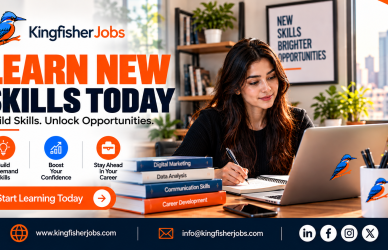
3. Strategic Skill Building: Your Competitive Advantage
Modern employers look for capability and adaptability. Here’s how to build skill advantage in 2026.
a. Hard Skills + Practical Experience
Depending on your field, hard skills will vary, but in most cases they include:
✔ Data analysis & interpretation
✔ Project management frameworks (Agile, Scrum)
✔ Business writing & communication
✔ Digital tools (Google Workspace, CRM platforms, analytics tools)
✔ Technical languages (Python, SQL, etc. where relevant)
The key is applied practice — not just certificates. Create case studies, build real projects, and add them to your portfolio.
Example:
If you want a digital marketing role, create:
- A live website
- Analytics dashboards
- Campaign performance reports
These tangible projects demonstrate what you can do.
b. Soft Skills — The Unspoken Differentiator
Soft skills separate good professionals from great ones:
- Communication — clear, concise, persuasive
- Critical thinking — solving problems with logic
- Collaboration — working well in teams
- Adaptability — thriving through uncertainty
- Leadership potential — even without a title
Employers value professionals who can navigate relationships and ambiguity — especially in hybrid work models.
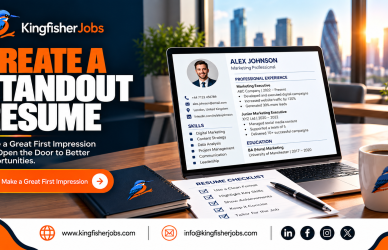
4. Crafting a Resume That Gets Attention
Your resume is your first introduction — make it a strategic one.
a. Format for Impact
A strong resume should be:
✔ Clean and readable
✔ Achievement‑oriented
✔ Keyword‑aligned with the job description
✔ Tailored for each role
b. Focus on Results, Not Duties
Instead of writing:
Responsible for managing social media posts
Write:
Increased social engagement by 35% in 3 months through strategic content optimisation
Use measurable figures — they grab attention.
5. Personal Branding — Online Presence that Converts
In 2026, hiring starts long before the interview — often online.
a. LinkedIn Optimisation
Your LinkedIn should have:
✔ Professional profile photo
✔ Headline with specialisation
✔ Thoughtful summary with accomplishments
✔ Featured projects or portfolios
✔ Recommendations from colleagues
Recruiters search profiles first — a strong profile leads to unsolicited interview invites.
b. Thought Leadership & Public Content
Share insights related to:
- Industry trends
- Lessons from projects
- Observations on workplace changes
Meaningful posts demonstrate expertise and build visibility.
6. Job Search Strategy That Works
Applying broadly without a plan leads to frustration. Try a structured approach instead.
a. Targeted Job Matching
Identify roles that align with:
- Your strengths
- Your vision
- Your skill level
- Your preferred work model (remote/hybrid)
Leverage tools like job alerts and skill‑based filters on KingfisherJobs to get matches that truly fit.
b. Networking as a Key Channel
80%+ of opportunities come through networks — not portals.
Make it a habit to:
✔ Connect with professionals in your field
✔ Attend online industry meetups
✔ Engage with alumni and communities
✔ Reach out for informational interviews
Each connection expands your visibility.
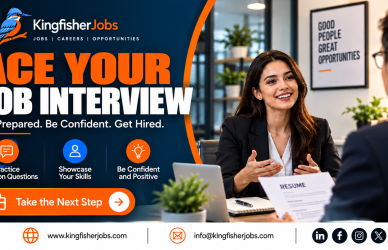
7. Mastering Interviews: Beyond Standard Answers
Getting an interview is an achievement — but winning it requires preparation.
a. Use STAR Method for Responses
When asked behavioral questions, use:
Situation
Task
Action
Result
This gives structured, impressive answers.
Example:
Tell me about a time you solved a problem at work.
You respond with:
- Context
- Your responsibility
- What actions you took
- The measurable result
b. Research Before You Meet
Understand:
- Company mission & culture
- Leadership structure
- Recent news or projects
- Who you’ll report to
This shows maturity and seriousness.
8. Salary Negotiation — Get the Compensation You Deserve
Negotiation is a key career competency.
a. Know the Market
Use tools like KingfisherJobs salary insights, Glassdoor, and industry reports.
Know the:
- Average range
- Median offer
- Benefits trends
This builds confidence.
b. Articulate Your Value
When negotiating, frame discussions around value, not need:
“Based on market data and my contributions in similar roles, I’d like to discuss a package closer to X…”
This positions you as informed and professional.
9. First 90 Days: Thriving — Not Just Surviving
Once you get the job, you must excel — not just adjust.
a. Build Relationships Early
Connect with:
✔ Your manager
✔ Your team
✔ Cross‑functional stakeholders
Strong early relationships build trust and credibility.
b. Set Performance Goals
Break down goals into:
- What you will learn
- What you will contribute
- What you will own
This shows structure and initiative.
10. Continuous Learning & Growth Plans
A job is a milestone — career momentum is ongoing.
a. Identify Skill Gaps
Every few months, conduct a self‑audit:
- What do I need to improve?
- What’s next in this industry?
- What skill would boost my impact?
This keeps you ahead.
b. Create a Structured Learning Plan
Use platforms like:
- Coursera
- LinkedIn Learning
- edX
- Free community workshops
Set quarterly or yearly targets.
11. Long‑Term Career Pathing: Plan Your Next Moves
Career success is strategic progression.
a. Define Career Milestones
Examples:
- Leadership role in 3 years
- Specialised expert in 18 months
- International experience
Clear milestones help you take focused steps forward.
b. Use Mentorship as a Force Multiplier
Mentors give:
- Perspective
- Accountability
- Strategic guidance
Seek mentors at every stage of your career.
12. Real Career Success Stories — Inspiration & Insight
Case Study: Graduate to Growth Leader
A new graduate optimized their profile, built project portfolios, and secured a role with a major firm — and within 18 months promoted to a team lead position due to skill application and relationship building.
Case Study: Career Pivot to Digital Specialist
A mid‑career professional reskilled in data analytics and digital UX, leading to a transition into a fast‑growing tech role with significantly higher compensation.
Conclusion — Your Career is a Journey, Not a Race
2026 job seekers succeed by being:
- Strategic
- Skillful
- Future‑ready
- Confident
- Adaptive
With the right mindset and framework — like the one in this guide — you’re not just applying for jobs — you’re building a career trajectory worth pursuing.
Your next role is closer than you think — and your success story begins now.