

Finding the right job is no longer just about scrolling through endless listings and hoping one feels suitable. Today, successful job searching depends on one powerful idea: matching your skills to the roles where they can create the most value.
At Kingfisher Jobs, smarter matching means helping candidates turn their experience, strengths, and goals into better opportunities. Instead of applying everywhere, job seekers can focus on roles that actually fit their abilities, career direction, and lifestyle.
Why Skill-Based Job Matching Matters
A job title does not always tell the full story. Two roles with the same title can require very different skills, work styles, responsibilities, and growth paths. That is why matching skills to roles gives both candidates and employers a clearer path forward.
When your skills are properly aligned with the right role, the job search becomes more focused, more confident, and far less stressful. You are not just looking for any opportunity — you are looking for the opportunity where you can perform, grow, and succeed.
The Benefits of Matching Skills to the Right Roles
A smarter job search starts with understanding what you can offer and where those strengths are most needed. Skill-based matching creates value at every stage of the hiring journey.
- Better job relevance: Candidates see opportunities that match their abilities, experience, and career goals.
- More confident applications: Applying becomes easier when the role clearly fits your strengths.
- Improved hiring decisions: Employers can identify talent based on real capabilities, not just keywords.
- Less wasted time: Job seekers avoid roles that do not align with their skills or expectations.
- Stronger career growth: The right role helps professionals build momentum and long-term success.
From Skill Mapping to Career Growth
Skill mapping is the foundation of smarter career decisions. It helps identify what a candidate already does well, what industries need those abilities, and which roles offer the best fit.
Instead of relying only on job titles, skill mapping looks deeper into areas such as communication, technical ability, leadership potential, problem-solving, adaptability, and industry knowledge.
Skill mapping helps answer important questions:
- Which roles match my strongest abilities?
- Where can my experience create the most value?
- Which opportunities support my long-term career goals?
- What skills should I improve to access better roles?
This clarity gives candidates a stronger sense of direction and helps them move from random applications to intentional career choices.
Smarter Search Means Better Opportunities
A modern job platform should do more than show listings. It should help people discover opportunities that are relevant, trustworthy, and aligned with what they are truly looking for.
With smart search, candidates can explore roles based on skills, preferences, location, remote options, employer quality, and growth potential. This creates a smoother and more meaningful job search experience.
Key features that make job searching easier include:
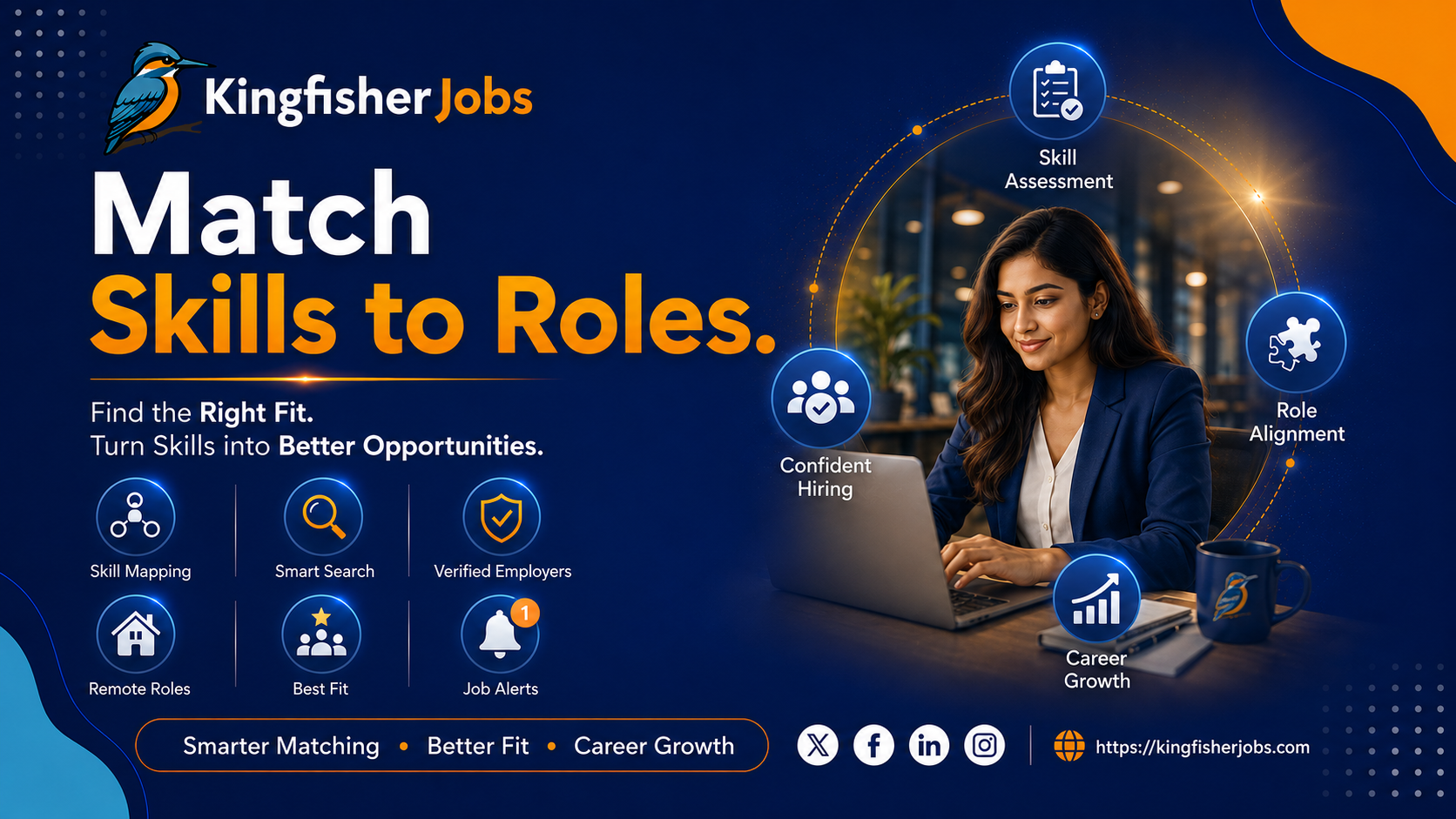
- Skill Mapping: Connect your abilities with roles that need them.
- Smart Search: Find relevant jobs faster with focused results.
- Verified Employers: Apply with more trust and confidence.
- Remote Roles: Discover flexible opportunities that fit your lifestyle.
- Best Fit Matches: Focus on roles where your skills are most valuable.
- Job Alerts: Stay updated when suitable opportunities become available.
How Employers Benefit from Skill-Based Hiring
Matching skills to roles is not only useful for job seekers. Employers also benefit from a more accurate and reliable hiring process. When candidates are matched based on ability and role alignment, hiring teams can make better decisions with greater confidence.
This approach helps employers reduce mismatches, improve retention, and build stronger teams. Instead of focusing only on resumes, employers can evaluate whether a candidate has the right capabilities for the role and the potential to grow within the company.
For employers, skill-based matching supports:
- More relevant candidate shortlists
- Faster and clearer hiring decisions
- Better role alignment
- Improved employee satisfaction
- Stronger long-term team performance
Finding the Right Fit Reduces Job Search Stress
Many job seekers feel overwhelmed because they are applying to too many roles without knowing which ones truly fit. Skill-based matching removes much of that uncertainty.
When candidates can clearly see how their skills connect to a role, they feel more prepared, more confident, and more focused. That clarity turns the job search from a stressful guessing game into a smarter career move.
What Makes a Role the Right Fit?
The right role is not only about salary or job title. A strong match includes several important factors that support both performance and satisfaction.
- Skills alignment: The role uses your strengths in a meaningful way.
- Career direction: The opportunity supports where you want to go next.
- Work environment: The company culture fits your working style.
- Flexibility: The role supports your lifestyle and work-life balance.
- Growth potential: The position helps you develop and move forward.
Conclusion: Better Matches Create Better Careers
The future of job searching is not about applying more. It is about applying smarter. When skills are matched to the right roles, candidates find better opportunities, employers make stronger hiring decisions, and careers move forward with more confidence.
Kingfisher Jobs helps job seekers discover roles that fit their abilities, goals, and future potential. With smarter matching, better fit, and career-focused search tools, finding the right opportunity becomes clearer, easier, and more effective.
Ready to Find the Right Fit?
Explore smarter job matching with Kingfisher Jobs and turn your skills into better career opportunities.
Frequently Asked Questions
What does it mean to match skills to roles?
Matching skills to roles means connecting a candidate’s abilities, experience, and strengths with job opportunities where those skills are most relevant and valuable.
Why is skill-based job matching important?
It helps candidates find more suitable jobs, reduces wasted applications, and allows employers to hire people who are better aligned with the role.
How can skill mapping improve my job search?
Skill mapping gives you clarity about your strengths and helps you focus on roles that match your capabilities and career goals.
Can smart job search tools help reduce stress?
Yes. Smart search tools make the job search more focused by showing relevant opportunities, helping candidates apply with more confidence.