
The best career opportunities do not always arrive when you are actively searching. Staying informed, prepared and visible can help you recognise the right opportunity when it appears.
Career development is no longer something that happens only when you decide to change jobs. Industries evolve, new skills become valuable, businesses change direction and fresh opportunities appear every day. Professionals who stay engaged with the employment market are often better positioned to respond when the right role becomes available.
That does not mean constantly applying for jobs. It means maintaining awareness of your market, continuing to develop your skills, keeping your professional profile current and making it easy to discover opportunities relevant to your ambitions.
Your next career move can begin before your next job search.
Staying active today can help you make a more confident and informed decision tomorrow.
Why Staying Career-Active Matters
Waiting until you urgently need a new job can place unnecessary pressure on the search process. When professionals maintain an ongoing awareness of available roles and changing market expectations, they have more time to evaluate opportunities carefully.
Staying active can also reveal useful information about salary expectations, emerging job titles, desirable skills and the types of organisations currently hiring.
- Understand which skills employers are currently looking for.
- Discover new roles that may match your experience.
- Recognise changes in your industry earlier.
- Compare career paths and opportunities.
- Prepare for future applications before they become urgent.
Turn On Job Alerts
One of the simplest ways to stay informed is to use job alerts. Instead of repeatedly searching for the same vacancies, alerts can help bring relevant opportunities to your attention as they become available.
The key is to make those alerts specific enough to remain useful. Consider the role you want, your preferred location, working arrangements, experience level and relevant keywords.
A well-structured alert can reduce unnecessary searching while helping you notice opportunities you might otherwise miss.
Keep Your CV Ready
Updating a CV after months or years of neglect can be difficult. Important achievements are easily forgotten, responsibilities change and new skills may never make it onto the document.
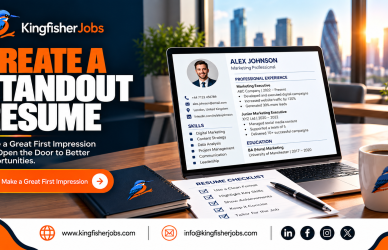
Instead, treat your CV as a living career record. Update it whenever you complete a major project, earn a qualification, take on additional responsibility or achieve a measurable result.
A career-ready CV should clearly communicate:
- Your recent and relevant professional experience.
- Key skills related to your target positions.
- Specific achievements rather than responsibilities alone.
- Qualifications, certifications and professional development.
- A clear progression of your career experience.
Keep Learning
Skills that were highly valuable several years ago may now be expected as standard, while entirely new capabilities can quickly become important. Continuous learning helps professionals remain competitive as their industries evolve.
Learning does not necessarily require another formal degree. Short courses, professional certifications, practical projects, industry events, mentoring and independent learning can all strengthen your professional profile.
| Career Action | Why It Matters | Potential Benefit |
|---|---|---|
| Job Alerts | Keeps you informed | Discover opportunities earlier |
| CV Updates | Keeps your experience current | Faster, stronger applications |
| Skill Development | Builds relevant capabilities | Greater career flexibility |
| Networking | Expands professional connections | Access to wider opportunities |
| Market Awareness | Shows how your sector is changing | Better career decisions |
Understand What Employers Need
Reading job descriptions can be valuable even when you are not ready to apply. Vacancies provide a real-time view of the experience, technologies, qualifications and soft skills employers are requesting.
If the same requirement repeatedly appears across positions that interest you, it may indicate an area worth developing. This turns job searching into useful career research rather than simply an application process.
Build a Strong Professional Presence
Your professional presence should support the story told by your CV. Keep relevant online profiles current and make sure your experience, skills and professional interests accurately reflect where you want your career to go.
A clear professional profile can also make networking easier. Former colleagues, recruiters and industry contacts should be able to understand your expertise and the type of work you are interested in.
Do Not Apply for Everything
Staying active does not mean sending applications to every available vacancy. A focused search is usually more valuable than a high-volume search with little relevance.
Before applying, consider whether the position genuinely supports your career direction. Look beyond the job title and assess the responsibilities, organisation, development opportunities, location, working arrangements and long-term potential.
Stay Active. Stay Ready.
Career readiness is about creating options. Keep learning, monitor relevant opportunities, maintain your professional profile and be prepared when the right position appears.
Create a Simple Career Routine
Career development becomes easier when it is part of your normal routine rather than something you only think about during a job search.
- Check opportunities: Review relevant new vacancies regularly.
- Use alerts: Let suitable roles come directly to you.
- Track achievements: Record measurable successes from your current work.
- Develop skills: Identify one area that could strengthen your future prospects.
- Maintain connections: Stay engaged with your professional network.
- Review your goals: Make sure your next move supports your wider career direction.
Be Ready When the Right Opportunity Appears
A strong opportunity can appear unexpectedly. When your CV is current, your skills are developing and you already understand the market, you can evaluate that opportunity from a position of preparation rather than pressure.
Preparation also gives you greater confidence to say no. Not every new role is the right move. Knowing what you want from your career makes it easier to distinguish genuine progress from change for the sake of change.
Your Next Career Move Starts With Awareness
Careers are built through a series of decisions. Some are major changes, while others are small actions such as learning a new skill, updating a CV or discovering a vacancy that introduces you to a career path you had not previously considered.
Staying active keeps those possibilities visible.
You do not need to know exactly what your next move will be. You simply need to remain prepared enough to recognise a good opportunity when it arrives.
Stay Ahead With KingfisherJobs
Keep exploring new opportunities, stay informed about the employment market and continue building the skills and experience that can support your next career move.
Stay Active. Stay Ahead.
Frequently Asked Questions
<h3 style="color:#06192b;">Should I look at jobs even if I am currently employed?</h3>
<p>
  Yes. Monitoring relevant opportunities can help you understand market demand, salary expectations and the skills employers value without requiring you to make an immediate career change.
</p>

<h3 style="color:#06192b;">How can job alerts help my career?</h3>
<p>
  Job alerts can reduce repetitive searching and help you discover relevant vacancies shortly after they become available.
</p>

<h3 style="color:#06192b;">How often should I update my CV?</h3>
<p>
  It is useful to review your CV regularly and update it whenever you gain important experience, complete significant projects, develop new skills or achieve measurable results.
</p>

<h3 style="color:#06192b;">What should I do to prepare for my next career move?</h3>
<p>
  Keep your CV current, understand your career goals, monitor relevant vacancies, develop in-demand skills and maintain a professional network.
</p>

<h3 style="color:#06192b;">Is continuous learning important for career growth?</h3>
<p>
  Yes. Industries and employer requirements continue to change, so ongoing learning can help you remain relevant and expand the range of opportunities available to you.
</p>