
The job market is constantly evolving. New technologies, changing business needs and emerging ways of working mean employers are increasingly looking for candidates who can demonstrate relevant, practical and adaptable skills.
Building in-demand skills is therefore about more than strengthening your CV. It can help you become more confident, improve your career prospects and prepare for opportunities that may not even exist today.
Why In-Demand Skills Matter
Qualifications and experience remain important, but employers also want people who can solve problems, communicate effectively, collaborate with others and confidently use modern tools.
Developing these capabilities can make you more valuable in your current role while helping you become a stronger candidate when applying for your next opportunity.
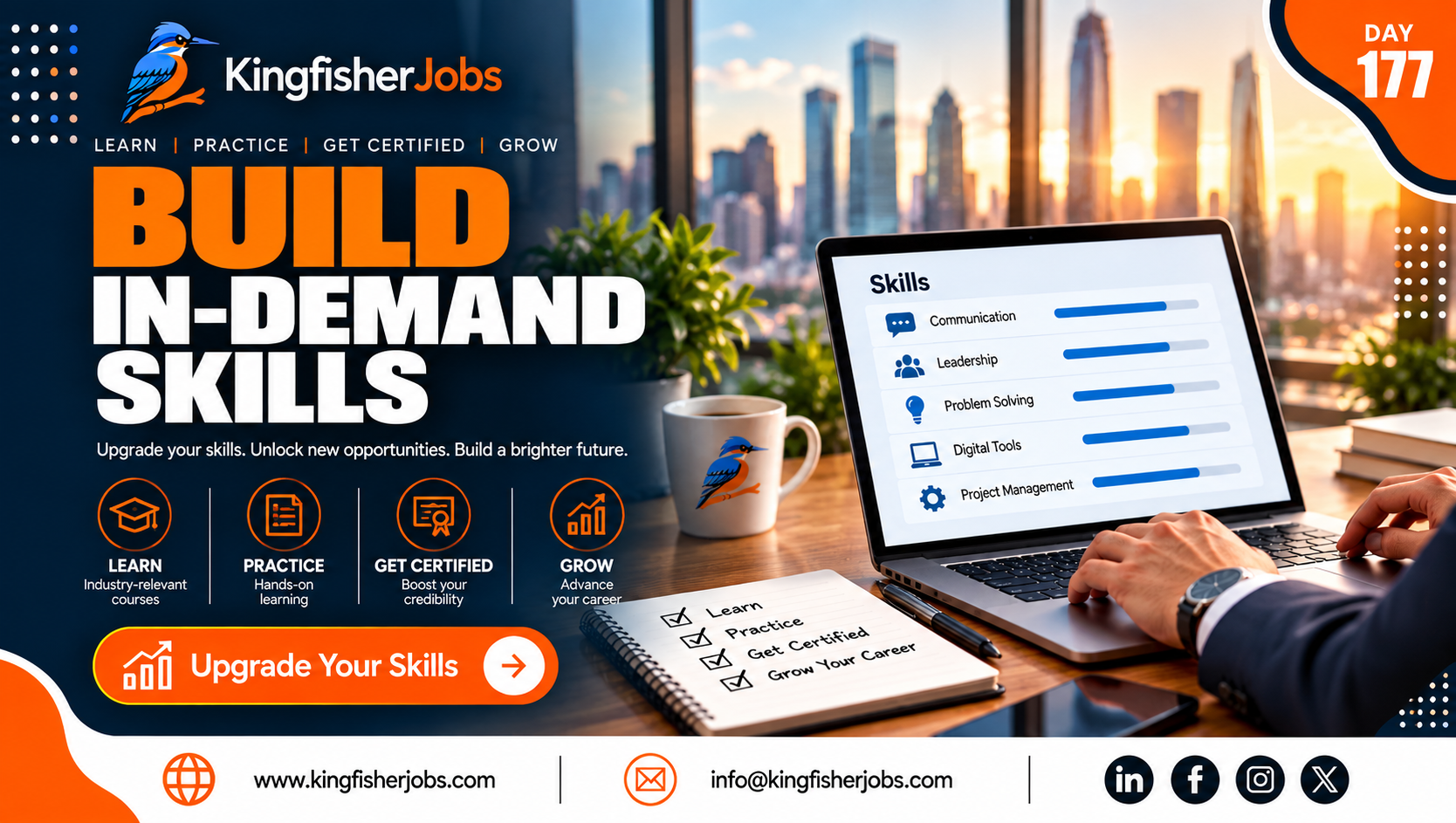
1. Strengthen Your Communication Skills
Clear communication is valuable in almost every profession. Whether you are speaking with customers, presenting ideas, writing reports or collaborating with colleagues, being able to communicate confidently can improve both individual and team performance.
Practice explaining complex ideas simply, listening actively and adapting your communication style to different audiences.
2. Develop Leadership Skills
Leadership is not limited to management positions. Taking responsibility, supporting colleagues, making informed decisions and helping projects move forward are all ways to demonstrate leadership potential.
Building these skills early can prepare you for greater responsibility and future career progression.
3. Improve Your Problem-Solving Ability
Employers value people who can identify challenges and find practical solutions. Strong problem-solving requires analytical thinking, creativity and the ability to make decisions using the information available.
Look for opportunities to solve real problems in your current role, studies or personal projects. Practical experience can help turn theoretical knowledge into a valuable professional skill.
4. Keep Your Digital Skills Current
Digital tools are now part of almost every industry. Depending on your career path, useful skills may include data analysis, project management software, collaboration platforms, artificial intelligence tools or industry-specific technology.
You do not need to master every new platform. Focus on the tools that are most relevant to your profession and continue updating your knowledge as technology changes.
5. Build Project Management Skills
Being able to organise tasks, manage deadlines, coordinate resources and deliver results is valuable across many roles. Project management skills can help you work more efficiently and demonstrate that you can take responsibility for important objectives.
Even small projects can provide useful experience. Plan your work carefully, track progress and review the final outcome to identify what you could improve next time.
Learn, Practice and Apply
Learning a skill is only the beginning. The strongest development happens when knowledge is put into practice. Courses and certifications can provide useful foundations, but practical application helps demonstrate what you can actually do.
A simple approach is to learn, practise, gain relevant credentials where appropriate and apply your skills in real situations. This creates evidence of your abilities that you can discuss during applications and interviews.
Show Your Skills to Employers
Once you have developed new skills, make sure employers can see them. Update your CV and professional profiles with relevant capabilities, certifications, projects and measurable achievements.
Instead of simply listing a skill, demonstrate how you have used it. Real examples can give recruiters a much clearer understanding of the value you could bring to an organisation.
Keep Investing in Your Career
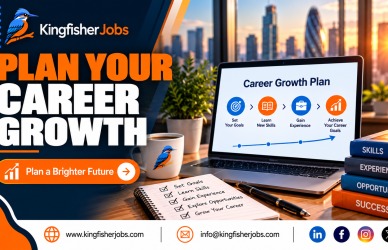
Career development is an ongoing process. You do not need to learn everything at once. Choose one useful skill, improve it consistently and then move on to the next area that supports your career goals.
Small improvements made regularly can build a stronger professional profile over time and help you stay prepared for new opportunities.
Take the Next Step With KingfisherJobs
At KingfisherJobs, we believe career growth starts with preparation. By developing relevant skills, gaining practical experience and continuing to learn, you can position yourself more effectively for the opportunities ahead.
Keep learning, keep improving and keep building the skills that can move your career forward.