

Introduction
The job market in 2026 is more dynamic, digital, and competitive than ever before. Economic shifts, technological disruptions, evolving employee expectations, and global competition have transformed the way talent is recruited and careers are built. Today, success in the labor market requires strategic foresight, a growth mindset, and an understanding of emerging trends.
This article is a complete guide for job seekers and employers that covers:
- The current state of the job market
- Strategic job search methods
- Essential skills for future careers
- Employer hiring strategies
- Digital transformation in recruitment
- Career growth and long-term planning
Whether you are entering the workforce, pivoting careers, or scaling hiring for your business, this guide will equip you with actionable, practical insights to thrive.
1. The Modern Job Market in 2026: What Has Changed?
1.1 From Linear Hiring to Ecosystem Talent Management
In the past, recruiting was transactional — a company posted a job, candidates applied, and a hire was made. That model no longer holds. In 2026, organizations are concerned with talent ecosystems — strategic workforce planning that aligns with long-term business goals. Companies view talent as a strategic asset, not a temporary necessity.
Employers now prioritize:
- Talent retention and engagement
- Internal mobility and learning culture
- Skill-based hiring over degree-based screening
- Performance forecasting using analytics
Platforms like KingfisherJobs play a central role in connecting talent with organizations that value career growth and long-term potential.
1.2 Remote Work, Flexible Models, and Global Talent Pools
Post‑pandemic work norms redefined workplace flexibility. Hybrid and fully remote models have become mainstream in many sectors, and in 2026 these models are now standard expectations rather than perks.
Key trends include:
- Global talent pools — geographical limitations no longer constrain recruitment.
- Distributed teams operating across time zones.
- Remote collaboration tools integrated into daily workflows.
- Asynchronous work models increasing productivity.
Candidates should position themselves not just for local jobs but for global opportunities. Employers must optimize virtual onboarding and remote employee experience systems.
1.3 Digital Transformation in Recruitment
The recruitment function is now powered by advanced technology:
- AI‑driven applicant screening
- Skill assessment platforms
- Automated candidate nurturing
- Talent analytics for workforce planning
These tools not only speed up hiring cycles but also help reduce bias and improve match quality. For job seekers, adopting digital fluency in recruitment platforms is no longer optional — it’s essential.
KingfisherJobs integrates many of these technologies to enhance visibility for job seekers and sourcing capabilities for employers.
1.4 Skills Supersede Traditional Credentials
Increasingly, organizations are shifting focus from academic degrees to demonstrable skills — especially in tech, data, digital marketing, logistics, healthcare, supply chain, and management roles.
This shift means:
- Micro‑credentials and certificates matter
- Project portfolios and practical experience demonstrate capability
- Problem‑solving and adaptability are key differentiators
Candidates with continuous learning records and up‑to‑date skill sets outperform those relying solely on formal education.
2. For Job Seekers: Strategies to Succeed in 2026 and Beyond
2.1 Understanding What Employers Really Want
Today’s employers evaluate candidates on a blend of:
- Technical skills (job‑specific proficiency)
- Soft skills (communication, collaboration, critical thinking)
- Growth mindset
- Cultural compatibility
- Adaptability to change
To position yourself as a desirable candidate:
- Know your strengths deeply
- Align them with employer needs
- Articulate real achievements using metrics
Employers are looking for problem solvers — candidates who can deliver measurable impact.
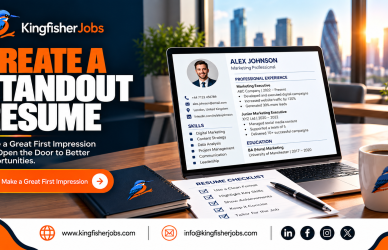
2.2 Building a Resume That Passes Automated Screening
Most large and medium employers use Applicant Tracking Systems (ATS). These systems screen for keywords, relevant experience, and formatting compatibility.
Best practices for ATS‑friendly resumes:
- Place core competencies near the top
- Include keywords from job descriptions
- Use simple formatting (avoid images and tables)
- Include measurable achievements (percentages, revenue impact, efficiency improvements)
- Keep the resume concise but complete
Remember: an ATS does not “read” creativity — it matches relevance.
2.3 Mastering Online Job Search Platforms
Successful job searching requires strategy:
- Set up targeted job alerts
- Use filters for roles, location, industry, experience
- Tailor applications for each job
- Engage with your profile frequently
- Follow up professionally after applying
KingfisherJobs offers tools to optimize your search and enhance discoverability by recruiters. Regular profile updates signal activity and increase matching opportunities.
2.4 Networking: Still the Most Effective Career Accelerator
Networking remains vital:
- Connect with professionals in your field
- Attend industry events (online and offline)
- Join communities and groups relevant to your career
- Ask for informational interviews
- Share insights and posts on professional platforms
Referrals often lead to higher interview rates and better job offers.
2.5 Upskilling — A Non‑Negotional Career Requirement
The most employable candidates are those who continuously learn.
Promising areas to upskill in 2026:
- Digital literacy and data analysis
- Project management
- AI and automation tools
- Cybersecurity fundamentals
- Communication and leadership
- Industry‑specific certifications
Investing in skills development increases job stability, career growth, and earning potential.
3. For Employers: Effective Hiring in a Competitive Talent Market
3.1 The Importance of Employer Branding
Top candidates evaluate potential employers based on reputation, values, growth opportunities, and workplace culture.
Elements of strong employer branding:
- Publicly available testimonials from employees
- Transparent career paths
- Communicating commitment to diversity and inclusion
- Clearly defined mission and values
A strong brand attracts more qualified applicants and reduces overall hiring cost.
3.2 Writing Job Ads That Get Results
Job advertisements must be clear, respectful of candidate time, and reflect organizational culture.
Effective job ads include:
- A precise role title
- A concise responsibilities section
- Clear skills and experience requirements
- Salary range (if possible)
- Information about benefits and growth opportunities
- A compelling call to action
Job titles should be search‑friendly and industry‑relevant.
3.3 Reducing Hiring Friction With Efficient Processes
Long hiring cycles cause top talent to lose interest.
Best practices:
- Establish clear screening criteria
- Communicate transparently with candidates
- Schedule interviews promptly
- Use structured interview questions
- Provide timely feedback
Data‑driven hiring decisions reduce bias and improve candidate experience.
3.4 Investing in Workforce Development
Retention matters as much as recruitment.
Employers that invest in:
- Career development programs
- Mentorship initiatives
- Skill pathways
- Leadership training
have higher employee satisfaction and longer retention.
Job seekers increasingly evaluate employers based on growth opportunities, not just compensation.
4. The Future of Skills and Careers
4.1 Top Skills in Demand in 2026
Certain competencies dominate employer requirements across industries:
- Data analysis and interpretation
- Digital marketing and e‑commerce
- Project and product management
- Cybersecurity fundamentals
- AI and automation understanding
- Customer experience optimization
- Supply chain & logistics proficiency
These skills accelerate career growth and open doors to advanced roles.
4.2 Emerging Roles in the Job Market
Several career categories are experiencing rapid growth:
- Remote collaboration specialists
- ESG and sustainability analysts
- AI trainers and ethics officers
- Digital transformation managers
- Cloud infrastructure engineers
- Customer success professionals
- Cybersecurity analysts
Job seekers aligned with emerging roles benefit from strong demand and competitive salaries.
4.3 The Gig and Freelance Economy
Freelancing and project‑based work continue to grow:
- Flexible schedules
- Diverse project exposure
- Rapid income opportunities
Platforms like KingfisherJobs can help professionals find both permanent and contract roles depending on preference.
5. Career Longevity: Planning for Long‑Term Success
5.1 Defining Career Goals
Career success begins with clarity:
- Short‑term goals (6–12 months)
- Medium‑term goals (1–3 years)
- Long‑term goals (3–10 years)
Use SMART goals (Specific, Measurable, Achievable, Relevant, Time‑bound) to measure progress.
5.2 Tracking and Measuring Progress
Evaluate milestones:
- Promotions
- Skill acquisition
- New responsibilities
- Performance feedback
Progress tracking helps identify gaps and training needs before they become critical.
5.3 Building a Personal Brand
Your personal brand represents your professional identity.
Ways to strengthen your brand:
- Publish articles or insights on platforms
- Share success stories and career achievements
- Speak at industry events
- Maintain a consistent professional image online
A strong personal brand differentiates you in a competitive market.
6. Digital Tools That Amplify Career Success
6.1 Career Platforms and Job Portals
Job search platforms like KingfisherJobs centralize opportunities and help match roles with relevant candidates through AI and filters.
Benefits include:
- Job alerts
- Skill‑based matches
- Seamless application workflows
- Employer visibility
- Analytics for sourcing trends
6.2 Skills Assessment and Learning Platforms
Tools such as LinkedIn Learning, Coursera, Udemy, and industry‑specific certification bodies help candidates upskill efficiently.
Features that matter:
- Bite‑sized learning modules
- Certifications upon completion
- Skill verification badges
- Career‑relevant pathways
Employers also value verified skill credentials.
6.3 Networking and Professional Communities
Platforms like LinkedIn, Slack communities, Discord groups, and professional organizations foster connections and opportunities.
Active engagement leads to:
- Referrals
- Mentorship
- Collaboration
- Job insights before posting
Conclusion: Thrive in 2026 and Beyond
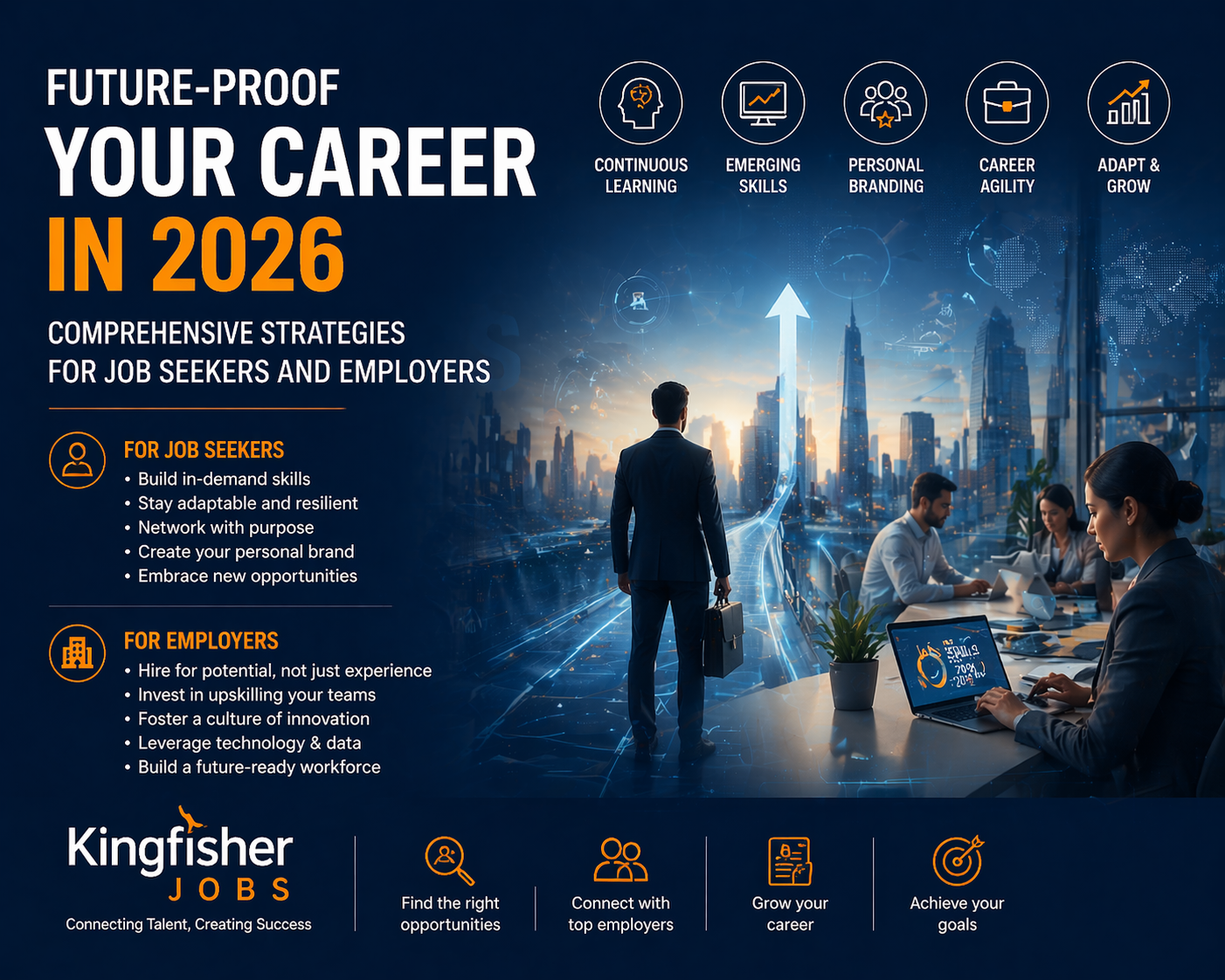
The labor market in 2026 demands resilience, adaptability, and continuous learning. Whether you are:
- a job seeker navigating opportunities,
- a professional mapping long‑term career growth,
- or an employer building an agile workforce,
this new world of work rewards proactive planning, strategic skills development, and thoughtful engagement.
KingfisherJobs is positioned to support your journey with verified job listings, intuitive search tools, and insights that help you make data‑informed career decisions.
Your future career isn’t just a destination — it’s a progression built with clarity, ambition, and strategic action