

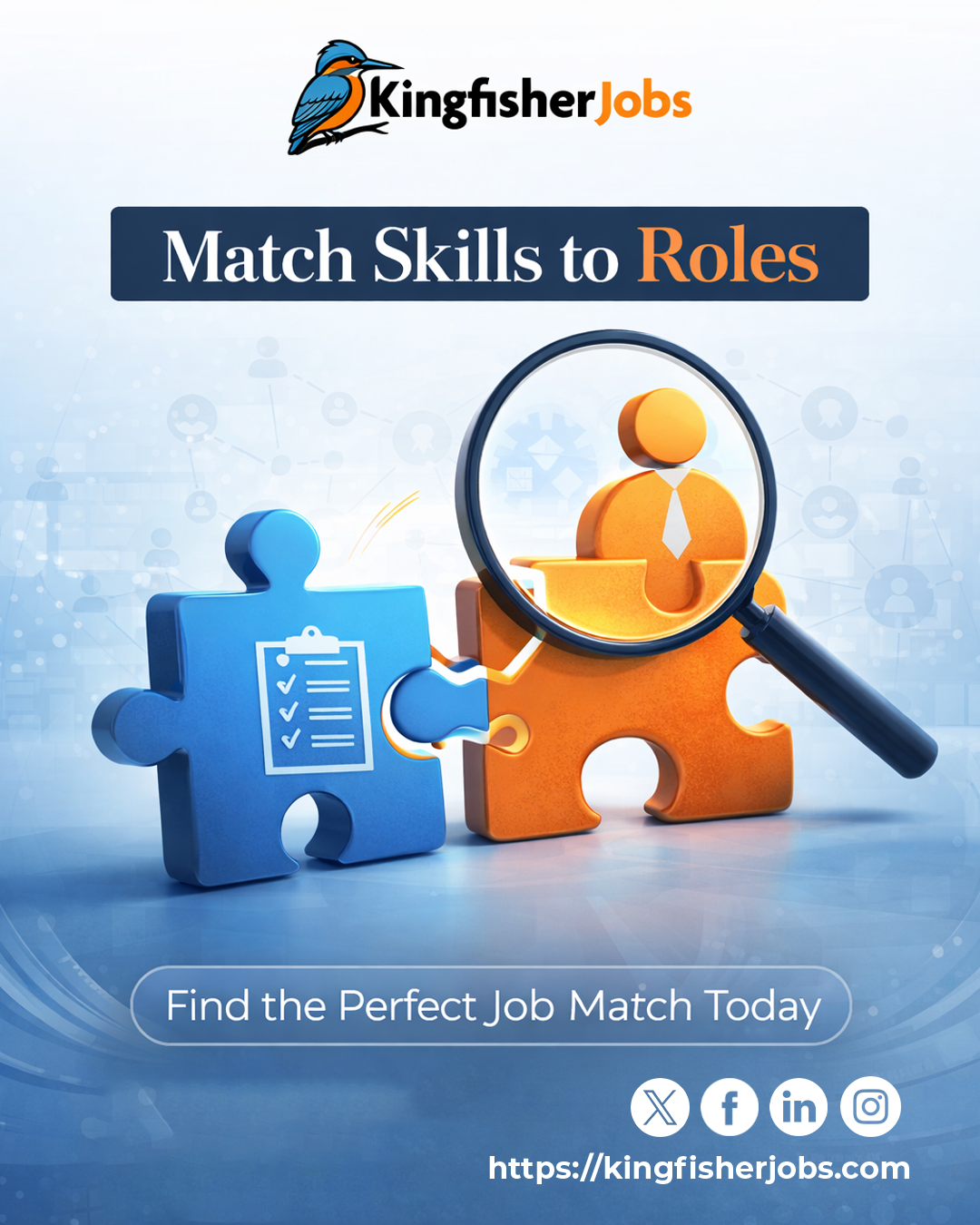
In today’s competitive job market, it’s easy to believe that landing a role is all about keywords. Many job seekers focus on optimizing resumes with trending phrases, mirroring job descriptions word for word, and trying to “beat the system.” While keywords may help your application get noticed, they don’t guarantee the right outcome. The right role is not about keywords. It’s about fit. When your skills genuinely align with a position’s responsibilities and expectations, you perform better, grow faster, and feel more satisfied. Matching skills to roles creates long-term success—not just short-term job offers.
The Problem with Keyword-Driven Job Searching
Applicant tracking systems and digital hiring platforms have made keywords more visible in the job search process. As a result, many candidates concentrate only on whether their resume includes the right technical terms. However, focusing solely on keywords can lead to:
Applying for roles that don’t truly match your strengths.
Overlooking positions that fit your experience but use different terminology.
Feeling unprepared during interviews because the role doesn’t align with your real skills.
Keywords may help you pass filters, but they do not ensure you will thrive in the position. Real alignment goes deeper than terminology.
Understanding Your Core Skills
Before matching your skills to any role, you must clearly understand what you bring to the table. Skills are not limited to technical abilities. They also include problem-solving, communication, adaptability, leadership, and collaboration. Ask yourself:
What tasks do I perform confidently?
Which responsibilities energize me?
Where have I delivered measurable results?
What feedback do I consistently receive from managers or colleagues?
When you identify your core strengths, you can begin targeting roles that genuinely match your expertise. This clarity improves both your job search strategy and your confidence.
Beyond Skills: The Importance of Fit
Fit extends beyond matching skills on paper. It includes work environment, team culture, expectations, and growth opportunities. A strong match considers:
Does this role align with my career direction?
Will I be challenged in a productive way?
Does the company’s work style suit my preferences?
Is there room for development?
A job may require skills you possess, but if the environment or growth path does not align with your goals, long-term satisfaction becomes unlikely.
Fit creates sustainability in your career.
Quality Over Quantity in Applications
When candidates focus only on keywords, they often apply to many positions quickly. This high-volume approach can feel productive, but it frequently leads to limited results. Matching skills to roles encourages a more strategic method. Instead of applying everywhere, you apply where alignment is strongest.
Targeted applications allow you to:
Customize your resume effectively.
Write stronger cover letters.
Prepare more confidently for interviews.
Increase your success rate.
Fewer, well-matched applications often produce better outcomes than dozens of generic submissions.
Interview Performance Improves with Alignment
When your skills genuinely match a role, interviews feel different. You speak with clarity and confidence because you can provide real examples that demonstrate your capabilities. Instead of stretching your experience to fit the job description, you explain how your background directly supports the role’s objectives. Employers recognize authenticity. When candidates clearly understand how their skills align with the position, they appear more prepared and more trustworthy. Strong alignment reduces interview anxiety and increases performance.
Avoiding Career Mismatches
Accepting a role that does not match your strengths often leads to frustration. Performance struggles, lack of engagement, and early job changes can result from poor alignment. Matching skills to roles helps prevent:
Burnout caused by unrealistic expectations.
Underperformance due to skill gaps.
Job dissatisfaction from misaligned responsibilities.
Frequent job changes that disrupt career progress.
Choosing roles thoughtfully strengthens your professional stability.
Recognizing Transferable Skills
Sometimes candidates overlook opportunities because the job title looks unfamiliar. However, many skills are transferable across industries and roles. For example, project management skills apply in technology, marketing, operations, and healthcare. Strong communication abilities are valuable in nearly every profession. When matching skills to roles, focus on responsibilities rather than just titles. Ask whether your abilities support the work being described. You may discover opportunities that align with your experience, even if the wording differs.
Growth Comes from the Right Match
The right role should not only reflect your current skills but also support your growth. Look for opportunities where:
You meet most requirements confidently.
You can develop one or two new skills.
There is clear potential for advancement.
A balanced match challenges you without overwhelming you. Growth happens when you are stretched, but not stressed.
Strategic alignment supports long-term development.
Building Confidence Through Clarity
Clarity about your skills improves your entire job search experience. When you know what you offer, you evaluate roles calmly and realistically. Confidence grows when:
You understand your strengths.
You apply strategically.
You prepare thoroughly.
You see clear alignment between your background and the job.
Instead of chasing every opportunity, you pursue those that genuinely suit you.
This shift reduces stress and increases motivation.
Making Smarter Career Decisions
Career decisions should be intentional. Matching skills to roles ensures that each move supports your broader professional goals. When evaluating opportunities, consider:
How does this role use my strongest skills?
Will it strengthen my professional profile?
Does it align with where I want to be in three to five years?
These questions help you avoid impulsive decisions and build a stable career path.
Final Thoughts: Fit Drives Long-Term Success
The right role is not about filling your resume with popular keywords. It is about alignment—between your skills, your goals, and the position’s expectations. When you focus on fit instead of just terminology, your job search becomes more purposeful. Applications become stronger. Interviews become smoother. Career decisions become clearer. Matching skills to roles creates confidence, performance, and satisfaction. Your experience matters. Your strengths matter. And when they align with the right opportunity, real progress begins.