

Introduction
In today’s fast‑paced and competitive job market, career success in 2026 isn’t just about finding a job — it’s about finding the right career path that aligns with your skills, goals, and evolving workplace demands. With thousands of opportunities across industries and thousands more entering the workforce each year, standing out and succeeding requires intentional strategy, smart decision‑making, and long‑term planning.
The 2026 job seeker is empowered — but also challenged by:
- Increased competition for top roles
- Rapid technological change
- A shifting skills landscape
- Remote and hybrid work norms
- Employer expectations for experience + agility
This comprehensive career success blueprint will guide you through everything you need to boost your career outcomes — from understanding the market to landing interviews and thriving long after you accept the offer.
Whether you’re a fresh graduate, mid‑career professional, or a seasoned expert refreshing your career path, this article gives you the framework, tactics, and mindset to succeed in 2026 and beyond.
01. Understand Today’s Job Market Landscape
To succeed in your job search, you must first understand the broader employment environment.
a. Market Trends in 2026
The job market in 2026 is shaped by several dynamics:
📌 Demand for Digital & Tech‑Driven Skills
Skills like data literacy, digital communication, online marketing, and AI fluency are increasingly valued across fields — not just in tech companies.
📌 Remote & Hybrid Work Models
Candidates now routinely expect flexibility, and many employers offer remote or hybrid options for roles once office‑bound.
📌 Skill‑Based Hiring Over Degree‑Only Filters
Employers are using skills, portfolios, and real results as key hiring filters rather than just degrees and certifications.
📌 Focus on Career Growth & Retention
Companies are investing more in employee development, mentorship, and career progression opportunities to attract and retain top talent.
Understanding these trends helps you position yourself as a modern, adaptable candidate.
02. Clarify Your Career Goals
Before searching job openings, it’s critical to define your career direction.
a. Identify Your Core Skills and Interests
Start with self‑reflection:
- What are your strongest skills?
- What activities make you feel engaged and energized?
- What problems do you enjoy solving?
Knowing your strengths helps you target roles that fit you — not just any job.
b. Set Short‑Term and Long‑Term Objectives
Short‑Term Goals (6–12 months):
- Land a role that matches core competencies
- Build skills in areas with high demand
- Expand your professional network
Long‑Term Goals (2–5 years):
- Reach leadership roles
- Transition into a specialty area (e.g., data analytics, product management)
- Launch your own consultancy or business
Clarity makes your job search intentional and less stressful.
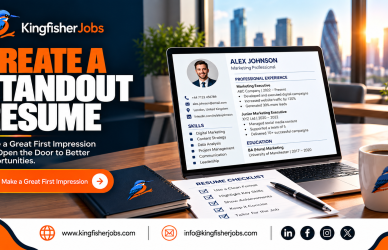
03. Craft a Winning Resume & Portfolio
Your resume is often your first impression — make it count.
a. Resume Essentials for 2026
Your resume should:
✔ Highlight measurable achievements, not just responsibilities
✔ Include relevant skills upfront
✔ Showcase career progression
✔ Use industry keywords where appropriate
✔ Be tailored to each role
For example:
| Role | Key Skills to Highlight |
|---|---|
| Financial Analyst | Financial modeling, Excel, forecasting |
| Marketing Officer | Campaign management, analytics, content strategy |
| Software Engineer | Programming languages, project experience, Git |
Using specific metrics (e.g., increased sales by 20%) makes your resume more compelling.
b. Portfolio & Work Samples
For many roles, especially creative, tech, or strategy fields, a portfolio strengthens credibility:
- Design mockups
- Projects you led
- Case studies with results
- Presentations or deliverables
A well‑organized portfolio shows what you can do — not just what you say you can do.
04. Nail Job Applications with Precision
a. Quality Over Quantity
While it might feel productive to send hundreds of applications, targeted applications yield better results. Focus on roles that align with your skills and goals.
b. Tailor Each Submission
Customize:
- Cover letters to specific job requirements
- Resumes with role‑relevant keywords
- LinkedIn intros that reflect the job’s objectives
This shows attention to detail and genuine interest.
c. Use Platforms Like KingfisherJobs Wisely
On KingfisherJobs, you can:
- Browse verified open roles
- Get personalized salary estimates
- Create job alerts for matches
- Track applications from your dashboard
- Connect directly with employers
Optimizing your profile and settings streamlines your job‑search process.
05. Master the Interview Process
Getting an interview is half the battle — winning it is where success truly begins.
a. Prepare Stories, Not Just Answers
Employers want examples that show:
- Problem‑solving skills
- Team collaboration
- Adaptability
- Initiative
Prepare STAR (Situation, Task, Action, Result) stories for common questions.
b. Research the Company
Understand:
- Company mission & values
- Recent news or growth
- Role expectations
- Who you’ll report to
This shows genuine interest and strategic preparation.
c. Ask Insightful Questions
Interviewers remember candidates who ask intelligent questions like:
- What does success look like in this role?
- How does the team collaborate across departments?
- What challenges does this position face in the first six months?
Good questions demonstrate engagement and maturity.
06. Navigate Salary & Offer Negotiations
Negotiation is a skill — and it’s part of career success.
a. Know Your Worth
Research salary ranges through:
- KingfisherJobs estimates
- Glassdoor
- LinkedIn Salary
Understanding industry standards helps you negotiate confidently.
b. Practice Negotiation Scripts
Use language like:
“Based on industry benchmarks and my experience, I was expecting a base salary closer to …”
Always stay professional and express enthusiasm for the role.
c. Consider Total Compensation
Salary is one part of the package. Evaluate:
- Bonuses
- Health benefits
- Flexible work options
- Professional development support
A strong compensation package reflects your value.
07. Build a Powerful Personal Brand
In 2026, your online presence matters.
a. Optimize LinkedIn
On LinkedIn:
✔ Use a professional photo
✔ Write a clear headline
✔ Highlight accomplishments
✔ Request recommendations
✔ Share relevant projects or insights
A strong profile attracts recruiters proactively.
b. Create Thought Leadership Content
Post articles or insights about:
- Industry trends
- Career tips
- Case studies or insights from your work
Meaningful content builds visibility and credibility.
08. Leverage Networking for Career Growth
80% of jobs are found through professional connections, not job boards.
a. Join Industry Groups
Participate in:
- LinkedIn groups
- Professional associations
- Local meetups
- Conferences
Active engagement expands your opportunities.
b. Informational Interviews
Reach out to professionals in roles you admire. Ask:
- How they reached their current position
- What skills they found most useful
- Advice for someone entering the field
These conversations often lead to valuable referrals.
09. Develop Skills Continuously
Career growth requires ongoing learning.
a. Prioritize High‑Demand Skills
Key areas trending in 2026 include:
- Data analysis & interpretation
- Digital communication
- Project management
- AI & automation basics
- Remote collaboration tools
Invest in short courses that strengthen your profile.
b. Certifications That Matter
Certifications add credibility:
- Project Management Professional (PMP)
- Google Analytics/Ads Certificates
- Digital Marketing or UX/UI certifications
- AWS or Azure cloud certifications
Relevant certifications show commitment and competency.
10. Thrive in Your New Role
Landing the job is one milestone — thriving in it is another.
a. Start Strong
In your first 90 days:
- Learn the team’s goals
- Understand key processes
- Build relationships
- Seek feedback
This early momentum sets the tone for your performance.
b. Set Personal Development Goals
Map out your:
- Skill gaps
- Leadership aspirations
- Performance improvements
A growth mindset keeps your career accelerating.
c. Communicate & Collaborate Well
Strong communication fosters teamwork and trust — skills valued across every industry.
11. Plan for Long‑Term Career Success
Your career should evolve as the workplace does.
a. Review Career Goals Annually
Assess:
- What you’ve learned
- What you want next
- Emerging opportunities
This keeps your career trajectory intentional and dynamic.
b. Become a Lifelong Learner
Industries shift fast. Embrace continuous learning — it keeps you relevant and marketable.
12. Real Success Stories: Inspiration for Your Journey
Here are examples of professionals who used strategic job search techniques:
Case Study: A Career Turnaround
A marketing professional upgraded their resume, focused on storytelling with metrics, and secured three interviews within two weeks — eventually accepting an offer with a 30% higher salary.
Case Study: Mid‑Career Pivot
A finance expert learned data analytics over six months and transitioned to a high‑growth fintech role that significantly expanded responsibilities and compensation.
Conclusion — Your Career Success Started With Strategy
Success in 2026 is not about luck — it’s about strategy, clarity, and execution. Following this blueprint helps you:
✔ Understand the market
✔ Position yourself for opportunities
✔ Navigate applications and interviews confidently
✔ Build long‑term growth and resilience
Your next career move awaits — and with the right strategy, you won’t just find a job… you’ll thrive in your career journey. Start today.