
Introduction: Why Career Stability No Longer Exists
The modern job market is no longer predictable. Roles evolve faster than ever, industries are reshaped by automation, and employers now prioritize adaptability over static qualifications. In this environment, the concept of a “stable job for life” has become outdated.
Today, career success depends on one thing: your ability to continuously evolve.
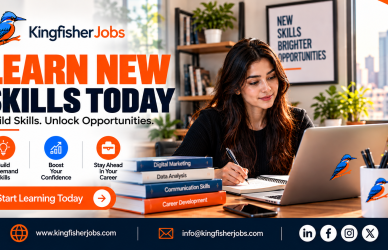
Whether you are a fresh graduate, an early-career professional, or someone planning a career shift, the ability to future-proof your skills is no longer optional—it is essential. Platforms like KingfisherJobs exist precisely to bridge the gap between evolving employer demands and job seeker readiness.
This article breaks down a structured, practical blueprint for building a resilient career in 2026 and beyond.
1. Understanding the Modern Job Market Shift
The global employment landscape is undergoing structural transformation driven by three forces:
1. Automation and AI Integration
Repetitive tasks across industries are increasingly handled by AI systems and automation tools. Roles in data entry, basic accounting, and administrative support are being redefined.
2. Remote and Hybrid Work Culture
Companies are no longer restricted by geography. Talent is now global, which increases competition but also expands opportunities.
3. Skill-Based Hiring Over Degree-Based Hiring
Many employers now prioritize:
- Practical skills
- Portfolio work
- Problem-solving ability
over traditional academic qualifications.
Key Insight:
Employability today is not about what you studied—it is about what you can do right now.
2. The Core Pillars of a Future-Proof Career
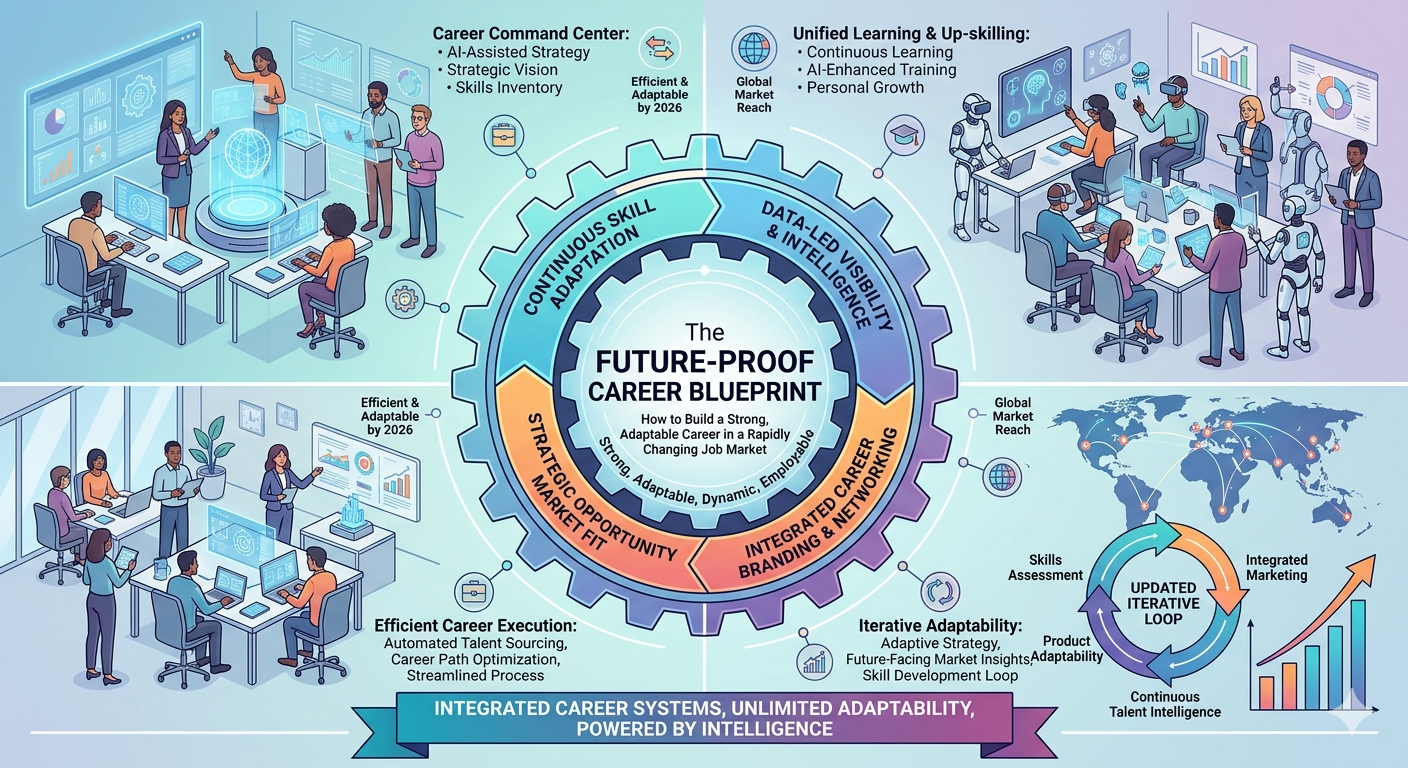
To remain relevant, professionals must develop across four critical dimensions:
2.1 Technical Skills (Hard Skills)
These are role-specific capabilities that directly contribute to job performance.
Examples:
- Digital marketing (SEO, PPC, analytics)
- Software development (Python, JavaScript, Laravel)
- Data analysis (Excel, SQL, Power BI)
- UX/UI design tools (Figma, Adobe XD)
Why it matters:
Technical skills are the foundation of employability and often the first filter in hiring processes.
2.2 Transferable Skills (Universal Skills)
These skills apply across industries:
- Communication
- Critical thinking
- Time management
- Team collaboration
- Problem-solving
Employers consistently rank these as equally important—sometimes more important—than technical expertise.
2.3 Digital Literacy
Even non-technical roles now require digital understanding:
- Using productivity tools (Notion, Slack, Trello)
- Understanding AI tools for workflow optimization
- Basic understanding of analytics dashboards
Digital fluency increases productivity and employability across sectors.
2.4 Personal Branding
In 2026, your online presence is part of your CV.
Key platforms:
- Personal portfolio websites
- GitHub (for developers)
- Medium or blogging platforms (for writers)
A strong personal brand helps you:
- Attract recruiters
- Build credibility
- Access hidden job opportunities
3. Skill Strategy: The T-Shaped Professional Model
A powerful concept in modern career development is the T-shaped skill model:
- Vertical bar: Deep expertise in one area
- Horizontal bar: Basic knowledge across multiple fields
Example:
A digital marketer might specialize in SEO (deep skill) while also understanding:
- Content writing
- Social media marketing
- Basic analytics
- Branding
Why it works:
Employers prefer professionals who can both specialize and collaborate across functions.
4. Career Planning Framework (Step-by-Step)
A structured approach is necessary to avoid career confusion.
Step 1: Identify Industry Direction
Choose a sector aligned with future demand:
- Technology
- Healthcare
- Digital marketing
- Logistics and supply chain
- Finance and fintech
Step 2: Analyze Job Market Demand
Use job platforms like KingfisherJobs to identify:
- Frequently listed skills
- Salary ranges
- Entry-level requirements
Step 3: Build Required Skill Stack
Break down job descriptions into:
- Must-have skills
- Good-to-have skills
Step 4: Create a Learning Path
Follow structured learning:
- Online courses (Coursera, Udemy)
- Practical projects
- Internships or freelance work
Step 5: Apply Strategically
Do not apply randomly. Instead:
- Tailor your CV per job
- Highlight relevant experience
- Align keywords with job descriptions
5. The Role of Experience in Early Career Growth
A common misconception among fresh graduates is that experience only comes from full-time jobs. This is incorrect.
Experience can come from:
- Freelancing
- Internships
- Volunteer work
- Academic projects
- Personal projects
Important Insight:
Employers value proof of skill execution more than job titles.
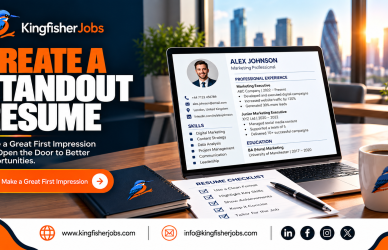
6. Building a Strong CV for 2026 Hiring Standards
A modern CV must be:
6.1 Outcome-Focused
Instead of:
“Worked on social media marketing”
Write:
“Increased engagement by 45% through targeted content strategy”
6.2 Keyword Optimized
Match CV language with job descriptions.
6.3 Clean and Scannable
- One to two pages maximum
- Clear headings
- No unnecessary graphics
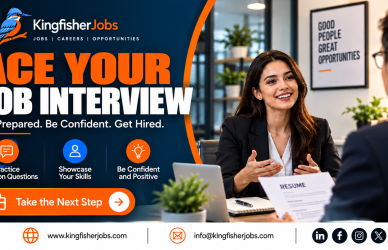
7. Interview Readiness: What Employers Actually Look For
Interviews today assess more than technical knowledge.
Employers evaluate:
7.1 Problem-Solving Ability
“How do you approach unfamiliar tasks?”
7.2 Adaptability
“How quickly can you learn new systems?”
7.3 Communication Skills
“How clearly can you explain your thinking?”
7.4 Cultural Fit
“Will you work well with existing teams?”
8. Common Career Mistakes That Limit Growth
8.1 Learning Without Application
Theory without practice has low value in hiring.
8.2 Job Hopping Without Strategy
Frequent switching without progression signals instability.
8.3 Ignoring Networking
Most opportunities are not publicly advertised.
8.4 Not Updating Skills
Skills have a shelf life; continuous learning is mandatory.
9. How Job Platforms Like KingfisherJobs Fit In
Modern job platforms play a critical role in career development:
They help by:
- Connecting talent with relevant employers
- Listing verified job opportunities
- Providing industry insights
- Supporting career discovery
For job seekers, such platforms act as:
- Market intelligence tools
- Opportunity aggregators
- Career direction guides
For employers, they serve as:
- Talent acquisition systems
- Filtering mechanisms for skilled candidates
10. Salary Growth Strategy: How to Increase Your Earning Potential
Salary growth is not random—it follows a pattern.
Key drivers:
- Skill specialization
- Industry demand
- Experience quality
- Negotiation ability
Strategy:
- Enter with learning-focused mindset
- Build measurable achievements
- Switch roles strategically after skill growth
- Move into higher responsibility roles
11. The Importance of Continuous Learning
In 2026, learning is not a phase—it is a constant requirement.
Recommended learning approach:
- 30% theory
- 70% practical application
Effective methods:
- Real-world projects
- Freelance assignments
- Case study analysis
- Industry simulations
12. The Future of Work: What Will Change Next
The next 5–10 years will see major shifts:
- AI-assisted job roles
- Remote-first global hiring
- Skill-based credential systems
- Portfolio-driven recruitment
- Increased freelance economy
Professionals who adapt early will have a significant advantage.
Conclusion: Building a Career That Cannot Be Disrupted
A future-proof career is not built overnight. It is constructed through:
- Continuous skill development
- Strategic job selection
- Strong personal branding
- Real-world experience
- Adaptability to change
The job market will continue to evolve—but individuals who actively evolve with it will always remain in demand.
Platforms like KingfisherJobs represent this new employment ecosystem, where opportunity is no longer limited by geography, but defined by capability.
Your career is not a static path—it is a dynamic system. The earlier you start optimizing it, the stronger your long-term trajectory will be.