

Finding the right job is not only about sending applications. It is about understanding your strengths, recognising your career direction, and connecting your abilities with roles where you can truly succeed. In today’s competitive job market, job seekers need more than a list of vacancies. They need smarter matching, trusted employers, and opportunities that fit their skills, goals, and future growth.
When skills and roles are properly matched, the job search becomes more focused, more productive, and more rewarding. Instead of applying randomly, candidates can move with purpose. They can find roles that suit their experience, match their potential, and support long-term career progress.
This is where the idea of “Match Skills to Roles” becomes powerful. It helps professionals stop wasting time on unsuitable jobs and start focusing on opportunities that truly align with who they are and where they want to go.
Why Matching Skills to Roles Matters
Many job seekers apply to dozens of jobs without receiving strong results. Often, the problem is not lack of talent. The problem is poor alignment. A candidate may have excellent skills, but if those skills are not clearly matched to the right role, the application may not stand out.
Employers are also looking for better matches. They want candidates who can understand the role, bring relevant strengths, and contribute with confidence. When the match is strong, both the candidate and employer benefit.
- Job seekers find opportunities that fit their abilities.
- Employers connect with candidates who meet real role requirements.
- Applications become more targeted and effective.
- Interviews become more meaningful and focused.
- Career growth becomes more structured and realistic.
The Problem with Random Job Searching
Random job searching can quickly become frustrating. Candidates may spend hours browsing job boards, applying to multiple positions, and waiting for responses that never come. This approach often creates stress because there is no clear system behind it.
Common problems with an unstructured job search include:
- Applying to roles that do not match your experience.
- Missing better opportunities because of poor filtering.
- Using the same CV for every position.
- Not understanding which skills employers value most.
- Feeling discouraged because of low response rates.
- Spending too much time searching and not enough time preparing.
A smarter job search begins with alignment. Before applying, candidates should understand what they offer, what employers need, and where both sides meet.
What Employers Really Look For
Employers do not only look for qualifications. They look for fit. A strong candidate is someone whose skills, attitude, experience, and goals match the role and company environment.
Some of the most valued skills include:
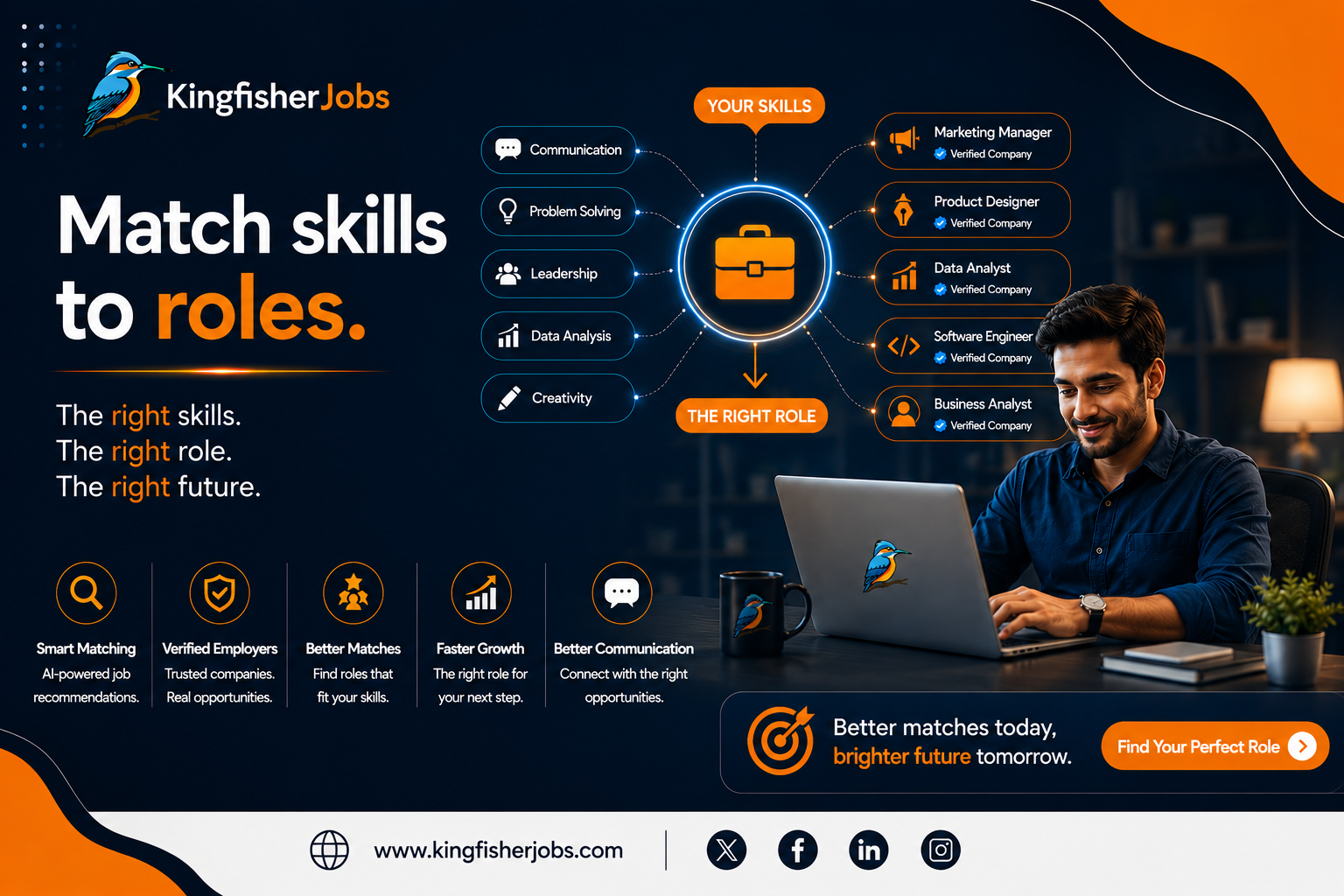
- Communication: The ability to share ideas clearly and work well with others.
- Problem Solving: The ability to think clearly, handle challenges, and find practical solutions.
- Leadership: The ability to take responsibility, guide others, and support team success.
- Data Analysis: The ability to understand information and make better decisions.
- Creativity: The ability to bring fresh ideas and improve processes.
- Technical Skills: Role-specific abilities such as software, design, marketing, finance, or operations knowledge.
The best job opportunities are usually found when these skills are matched with roles that actually require them.
How Skill Matching Improves Career Direction
Career direction becomes clearer when you understand your strongest skills. Instead of chasing every available job, you can focus on positions that support your natural strengths and professional ambitions.
For example:
- If you are strong in communication and creativity, marketing or content roles may be a good fit.
- If you enjoy numbers and patterns, data analyst or finance roles may suit you better.
- If you like solving technical problems, software or IT roles may be more aligned.
- If you are good at planning and coordination, operations or project management roles may be ideal.
This level of clarity helps you make better choices and avoid roles that may not support your long-term success.
Benefits of Matching Skills to the Right Roles
1. Better Job Matches
When your skills match the role, your application becomes stronger. You can clearly show why you are suitable for the position and how your experience connects with the employer’s needs.
2. More Confidence During Interviews
Interviews become easier when you know the role fits your abilities. You can speak confidently about your skills, explain your experience, and show how you can contribute.
3. Faster Career Growth
The right role helps you grow faster because it gives you responsibilities that match your strengths while also challenging you to improve.
4. Less Time Wasted
Instead of applying everywhere, you can focus on roles that are worth your time. This makes your job search more efficient and less stressful.
5. Stronger Long-Term Satisfaction
When your job fits your skills and interests, you are more likely to feel satisfied, motivated, and committed to your career path.
How to Identify Your Key Skills
Before matching yourself to roles, you need to understand your skill profile. This includes both hard skills and soft skills.
- Hard skills: Technical abilities such as coding, design, accounting, writing, analysis, or project tools.
- Soft skills: Personal strengths such as communication, leadership, teamwork, adaptability, and problem-solving.
To identify your strongest skills, ask yourself:
- What tasks do I perform well?
- What do people usually ask me for help with?
- Which achievements show my strongest abilities?
- What type of work keeps me motivated?
- Which skills do I want to develop further?
How to Match Your Skills to Job Descriptions
A job description is more than a list of duties. It is a guide that shows what the employer truly needs. Reading it carefully can help you understand whether the role is a strong match.
When reviewing a job description, look for:
- Required skills and qualifications.
- Main responsibilities of the role.
- Preferred experience level.
- Tools, platforms, or technical knowledge required.
- Soft skills mentioned by the employer.
- Growth opportunities within the role.
Then compare these details with your own skills. If there is a strong overlap, the role may be worth applying for.
Tailoring Your CV for Better Skill Matching
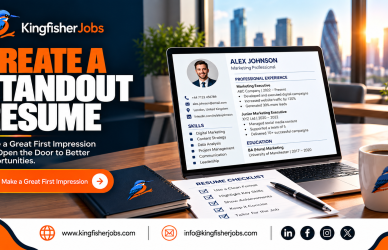
Once you find a suitable role, your CV should clearly reflect the match. A generic CV may not show your value properly. A tailored CV helps employers quickly understand why you are the right candidate.
To improve your CV:
- Highlight the skills mentioned in the job description.
- Use clear examples from your experience.
- Include measurable achievements where possible.
- Keep your profile summary focused on the role.
- Remove irrelevant details that do not support your application.
A focused CV increases your chances of being shortlisted because it speaks directly to the employer’s needs.
Why Verified Employers Matter
Skill matching works best when candidates are connecting with trusted employers. Verified employers create a safer and more reliable job search experience. Candidates can apply with more confidence, knowing that the opportunity is genuine and professionally presented.
Verified employers help job seekers avoid uncertainty and focus on real career opportunities.
- More trust in job listings.
- Better communication with companies.
- Reduced risk of fake opportunities.
- Stronger confidence during the application process.
How Kingfisher Jobs Supports Smarter Matching
Kingfisher Jobs helps candidates move beyond endless searching by focusing on better matches. The platform is designed to connect job seekers with relevant roles, trusted employers, and opportunities that support real career progress.
With a smarter job search experience, candidates can:
- Find roles that fit their skills and goals.
- Connect with verified employers.
- Reduce time spent on unsuitable applications.
- Discover better career opportunities.
- Take the next step with more confidence.
Tips for Job Seekers: How to Find the Right Role Faster
To improve your job search results, follow a more organised and strategic approach.
- Define your top five professional skills.
- Choose roles that match at least most of your key strengths.
- Update your CV for every important application.
- Use keywords from job descriptions naturally in your CV.
- Track your applications and follow up professionally.
- Prepare interview answers around your strongest skills.
- Focus on quality applications instead of quantity.
Final Thoughts
Matching skills to roles is one of the smartest ways to build a stronger career path. It helps job seekers avoid random applications, focus on better opportunities, and connect with employers who value their strengths.
The right job is not always the first job you find. It is the role where your skills, goals, and future potential come together. When you understand your abilities and match them with the right opportunities, your career journey becomes clearer, faster, and more rewarding.
Kingfisher Jobs helps you match the right skills to the right roles — so you can find better opportunities, grow with confidence, and build a brighter professional future.