
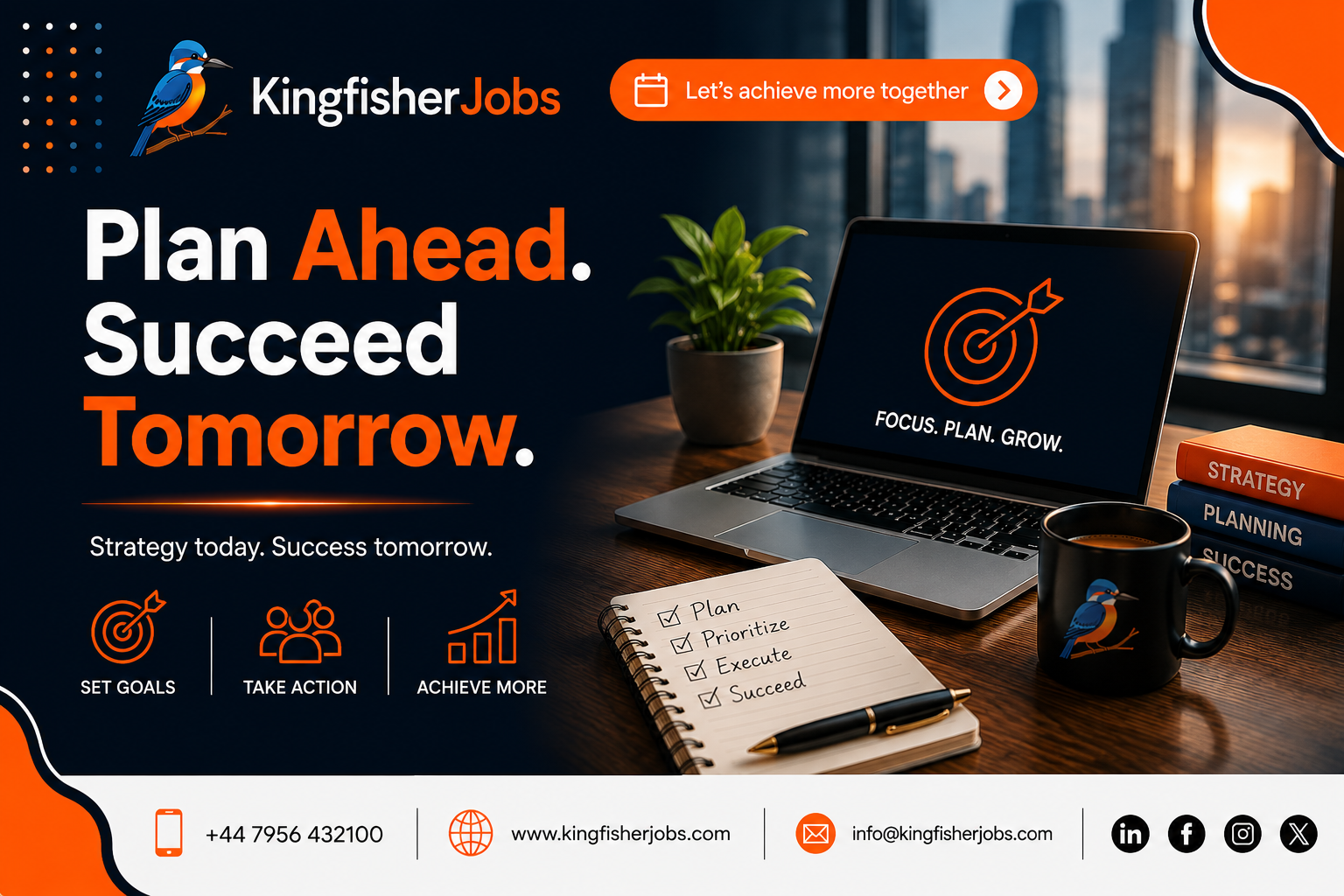
Career success rarely happens by accident. Behind most meaningful professional achievements is a combination of clear goals, thoughtful planning, continuous learning, and consistent action.
Whether you are searching for your first opportunity, considering a career change, or preparing for the next stage of your professional journey, planning ahead can help you make better decisions today while creating stronger opportunities for tomorrow.
Why Career Planning Matters
The job market continues to evolve. New technologies, changing employer expectations, emerging industries, and different ways of working mean professionals need to think beyond their next job application.
A career plan gives you direction. Instead of simply reacting whenever a new opportunity appears, you can identify where you want to go and begin developing the skills, experience, and professional connections needed to get there.
Effective career planning can help you:
- Define clear professional goals.
- Identify the skills required for future roles.
- Recognise gaps in your current experience.
- Make more focused job-search decisions.
- Prepare for emerging opportunities.
- Measure your professional progress.
Start with a Clear Career Goal
Before deciding what your next move should be, understand what you are working towards.
Ask yourself where you would ideally like to be professionally in the next one, three, or five years. Your answer does not need to become a permanent commitment. Careers change, industries evolve, and priorities develop over time.
The purpose of setting a goal is to create direction rather than restriction.
Instead of saying, “I want a better job,” define what “better” actually means. It could mean greater responsibility, improved earning potential, stronger work-life balance, leadership opportunities, a different industry, or the ability to develop a particular skill set.
Understand Where You Are Today
Once you know where you want to go, evaluate your current position.
Consider your qualifications, professional experience, technical knowledge, transferable skills, achievements, and areas that need development.
A simple career assessment can reveal the distance between your current position and your desired destination.
Questions Worth Asking
- What are my strongest professional skills?
- Which achievements demonstrate my value?
- What skills are employers currently requesting?
- Where does my experience need strengthening?
- What type of role would move me closer to my long-term goal?
Answering these questions gives you a clearer foundation for your next move.
Research the Opportunities Ahead
Career planning becomes much more effective when it is supported by research.
Study the roles you want before applying for them. Look at job descriptions, required qualifications, commonly requested skills, responsibilities, salary expectations, and career progression opportunities.
You may discover that several employers repeatedly request the same technical skill or certification. That information can help you decide where to invest your development time.
Research also prevents you from preparing for opportunities based on assumptions rather than actual market demand.
Develop Skills Before You Need Them
One of the strongest advantages of planning ahead is having time to prepare.
If your target role requires experience you do not currently have, start building it now. Professional development does not always require returning to university or completing lengthy qualifications.
Depending on your career, development could include:
- Professional certifications.
- Online training and specialist courses.
- Independent projects.
- Industry events and workshops.
- Volunteering or freelance experience.
- Learning new software or technology.
- Taking additional responsibilities in your current role.
Small improvements made consistently can create significant professional advantages over time.
Build a Strong Professional Profile
Your experience is valuable, but employers also need to understand that value quickly.
Keep your CV, professional profiles, portfolio, and supporting materials updated rather than waiting until you urgently need a new position.
Your CV should communicate more than previous responsibilities. Wherever possible, demonstrate results and achievements.
For example, instead of simply stating that you managed a project, explain the outcome you helped achieve. Quantifiable results can make your contribution easier for employers to understand.
Build Relationships Before You Need Them
Professional relationships can become an important part of long-term career development.
Networking should not begin only when you need a job. Building genuine relationships with colleagues, recruiters, industry professionals, mentors, and employers over time can expose you to information and opportunities you may otherwise never encounter.
Engage with your professional community, participate in relevant discussions, attend industry events where appropriate, and maintain relationships with people you have worked with successfully.
Turn Your Career Plan into Action
A career strategy is only useful when it leads to action.
Break larger goals into smaller, manageable steps. If your goal is to move into a more senior position, your immediate actions might include improving a specific skill, updating your CV, speaking with a recruiter, researching suitable employers, or taking responsibility for a more challenging project.
A practical framework is:
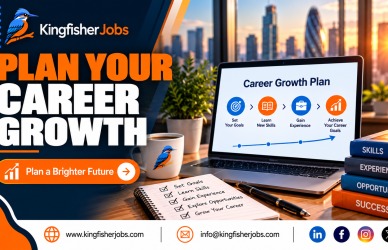
- Plan – Define where you want to go.
- Prioritise – Identify the actions that matter most.
- Execute – Take consistent steps towards your goal.
- Review – Measure progress and adjust your approach.
- Succeed – Build on each achievement and prepare for the next opportunity.
Do Not Wait for the Perfect Moment
Many professionals delay career decisions because they are waiting for perfect circumstances: the perfect vacancy, perfect qualification, perfect employer, or perfect time to make a change.
In reality, progress usually comes from preparation followed by consistent action.
You may not control exactly when the right opportunity appears, but you can control how prepared you are when it does.
Review Your Plan Regularly
Your career plan should evolve with you.
Review your goals periodically and consider whether they still reflect your ambitions. New experiences may reveal different strengths, interests, or opportunities.
Changing direction is not necessarily a failure of planning. Sometimes it is the result of having better information.
The strongest career strategies provide enough structure to create progress while remaining flexible enough to adapt.
Plan Ahead and Create Your Next Opportunity
Your future career is influenced by the decisions you make today. Setting clear goals, understanding your strengths, developing relevant skills, building professional relationships, and taking consistent action can put you in a much stronger position when the right opportunity arrives.
Plan ahead. Take action. Build your future with purpose.
At KingfisherJobs, our focus is helping connect people with opportunities that can support their next professional step. Whether you are actively searching or simply preparing for what comes next, thinking strategically today can help you succeed tomorrow.
Frequently Asked Questions
Why is career planning important?
Career planning provides direction and helps you identify the skills, experience, and actions required to reach your professional goals.
How often should I review my career plan?
Reviewing your plan every few months, or whenever your circumstances or goals change significantly, can help ensure it remains relevant.
Should I apply for a job if I do not meet every requirement?
Job descriptions often describe an ideal candidate. If your experience strongly matches the core responsibilities and you can demonstrate relevant transferable skills, the opportunity may still be worth considering.
How can I prepare for future job opportunities?
Keep your CV updated, develop relevant skills, research your industry, maintain professional relationships, and monitor the types of roles that align with your long-term goals.
What is the first step in creating a career plan?
Start by defining what you want from your career. Once your destination is clearer, assess your current skills and experience and identify the steps needed to move forward.