

Your future career does not begin when you land the perfect job, receive a promotion or finally reach your long-term goal. It begins with the decisions you make today.
Every new skill you learn, every application you submit, every professional connection you build and every challenge you accept can move you closer to the career you want.
That is the idea behind a simple but powerful message: Start today. Transform tomorrow.
You do not need to have your entire career mapped out before taking action. You simply need a direction, a willingness to improve and the confidence to take the next meaningful step.
Your Future Starts With What You Do Today
Career development can sometimes feel overwhelming because people naturally focus on the final destination. They think about the dream position, ideal salary, leadership role or successful career they hope to have several years from now.
But successful careers are rarely created through one dramatic decision. They are usually built through hundreds of smaller decisions made consistently over time.
Updating your CV may seem like a small task. Learning a new digital skill may feel like only one course. Sending an application may appear to be just another opportunity.
But each action creates momentum.
The important question is not simply, “Where do I want to be in five years?”
It is also:
“What can I do today that moves me closer to that future?”
Stop Waiting for the Perfect Moment
One of the biggest barriers to career growth is waiting for everything to feel perfect before starting.
You may think you need another qualification before applying. You may believe you need more experience before pursuing a better role. Perhaps you want to improve your CV first, complete another course or wait until you feel completely confident.
Preparation is valuable, but endless preparation can become another form of delay.
The reality is that career progress often happens while you are still learning.
You can apply while improving your skills. You can network while building experience. You can explore opportunities while deciding exactly where you want your career to go.
Start Before You Feel Completely Ready
You do not need to know every step of your career journey before taking the first one. Progress creates clarity, experience builds confidence and consistent action creates opportunity.
Define What Career Progress Means to You
Before searching for your next opportunity, take some time to understand what you actually want.
Career growth means different things to different people. For one person, progress may mean earning a higher salary. For another, it could mean moving into management, working remotely, changing industries, developing specialist expertise or achieving a healthier work-life balance.
Ask yourself:
- What type of work do I genuinely enjoy?
- Which skills do I want to develop?
- What responsibilities would I like to take on?
- What type of organisation suits me?
- Which industries interest me most?
- What working environment helps me perform at my best?
- Where would I like my career to be in the next two to five years?
You do not need perfect answers. Even a general sense of direction can make your job search significantly more focused.
Build Skills That Move You Forward
The employment market continues to evolve. Technology changes, industries develop and employers constantly adjust the skills they need.
This makes continuous learning one of the most valuable habits a professional can develop.
Start by reviewing the roles you would like to pursue. Look at the qualifications, tools, technical abilities and soft skills employers repeatedly request.
Then compare those requirements with your current profile.
You may discover that you already meet most requirements and simply need to communicate your experience more effectively. Alternatively, you may identify specific gaps that can become your next learning priorities.
Useful development areas can include:
- Technical and industry-specific skills.
- Digital tools and emerging technologies.
- Communication and presentation.
- Leadership and people management.
- Problem-solving and critical thinking.
- Project and time management.
- Commercial awareness.
- Data analysis and reporting.
You do not necessarily need another major qualification. Sometimes a focused course, practical project, certification or hands-on experience can significantly strengthen your professional profile.
Make Your Professional Profile Work for You
Before an employer meets you, they often meet your professional profile.
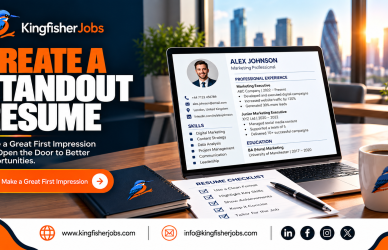
Your CV, online profile, portfolio and application materials collectively create an initial impression of who you are professionally and what you can contribute.
A strong profile should quickly communicate:
- Who you are professionally.
- Your strongest skills.
- Your relevant experience.
- Your important achievements.
- The type of opportunity you are seeking.
Avoid describing only your responsibilities. Wherever possible, communicate the impact of your work.
For example, instead of simply saying that you “managed social media accounts,” explain how your work improved engagement, generated leads or supported business growth.
Instead of writing that you “worked on websites,” describe the websites you developed, technologies you used and measurable improvements you delivered.
Specific achievements make your experience easier for employers to understand.
Turn Experience Into Evidence
Employers are interested in skills, but evidence makes those skills more convincing.
Think about situations where your work created a positive outcome.
Did you:
- Increase revenue or sales?
- Improve efficiency?
- Reduce costs?
- Complete an important project?
- Solve a difficult problem?
- Improve customer satisfaction?
- Lead or support a team?
- Introduce a better process?
- Improve website, marketing or operational performance?
These examples can strengthen your CV, online profile and interview answers because they demonstrate what you can actually deliver.
Apply With Purpose, Not Just Volume
Sending hundreds of identical applications may feel productive, but a more targeted approach can often create stronger opportunities.
Before applying, understand the role. Identify what the employer needs and determine how your experience connects with those requirements.
Then adapt your application accordingly.
This does not mean completely rewriting your CV for every vacancy. It means ensuring that the most relevant skills, experience and achievements are easy to identify.
A focused application demonstrates that you understand the opportunity rather than simply applying to every available vacancy.
Build Relationships Alongside Your Job Search
Career opportunities do not exist only on job boards.
Professional relationships can introduce you to companies, industries, mentors, recruiters and opportunities you may not otherwise discover.
Networking does not need to feel transactional. It can simply mean engaging with people in your field, joining professional communities, attending events, sharing useful insights and maintaining relationships with previous colleagues.
Strong professional networks take time to build, which is exactly why starting today matters.
A conversation today could become an introduction tomorrow. An introduction could become an interview. And an interview could become the next major stage of your career.
Do Not Let Rejection Define Your Progress
Rejection is one of the most difficult parts of job searching, particularly when you have invested significant effort into an application or interview.
However, one unsuccessful application does not determine your professional value.
Hiring decisions can depend on many factors, including experience, timing, internal candidates, budgets, role changes and the specific requirements of an employer.
Where possible, treat each experience as information.
Review what went well. Identify what could be improved. Refine your CV. Strengthen your interview preparation. Continue developing relevant skills.
The objective is not to avoid every rejection. The objective is to keep improving until the right opportunity connects with the value you can offer.
Small Actions Create Career Momentum
Career transformation can sound like something enormous, but transformation often begins with surprisingly small actions.
Consider what you could accomplish by completing just one meaningful career task every day.
- Update one section of your CV.
- Improve your professional profile.
- Research one company.
- Apply for one relevant position.
- Learn one new concept.
- Contact one professional connection.
- Practice one interview question.
- Add one project to your portfolio.
One action may not transform your career immediately.
But consistent actions compound.
After several weeks, you may have a stronger CV, better skills, more applications, new connections, improved confidence and a much clearer understanding of the opportunities available to you.
Create a Simple Career Action Plan
You can make career development easier by turning your ambitions into practical steps.
Step 1: Choose Your Direction
Identify the type of role, industry or professional development you want to pursue.
Step 2: Understand the Requirements
Research relevant opportunities and identify the skills and experience employers consistently request.
Step 3: Identify Your Gaps
Compare those requirements with your current skills and experience.
Step 4: Strengthen Your Profile
Improve your CV, professional profile and portfolio so they clearly communicate your strongest capabilities.
Step 5: Take Consistent Action
Apply for relevant opportunities, build relationships and continue developing your skills.
Step 6: Review and Improve
Track what is working and adjust your approach based on applications, interviews and feedback.
Your Career Is a Long-Term Investment
It is easy to focus only on the immediate objective of finding a job. But your career is much bigger than one vacancy.
Every position can provide experience. Every project can build skills. Every professional relationship can expand your network. Every challenge can teach you something that becomes valuable later.
Thinking long term changes the way you evaluate opportunities.
The best next step may not always be the position with the highest immediate salary. Sometimes the strongest opportunity is the one that gives you valuable experience, stronger responsibilities, better mentorship or access to an industry where you want to build your future.
The Best Time to Begin Is Now
There will always be reasons to wait.
You could wait until your CV is perfect. Until you have another qualification. Until the market improves. Until you feel more confident. Until the ideal opportunity appears.
But careers are built through movement.
You can improve while moving. You can learn while applying. You can gain confidence through experience.
The most important thing is to begin.
Start Today. Transform Tomorrow.
Your next opportunity could become the beginning of something much bigger. Keep learning, keep improving and keep moving toward the career you want.
Explore opportunities with KingfisherJobs and take your next career step.
Frequently Asked Questions
How can I start improving my career today?
Begin with one practical action. Update your CV, improve your professional profile, research relevant roles, learn a useful skill or apply for an opportunity that matches your experience.
Should I apply for jobs if I do not meet every requirement?
If you meet many of the core requirements and believe you can perform the role, it may still be worth applying. Job descriptions often describe an ideal candidate, while employers may consider applicants with transferable skills and strong potential.
How can I make my job application stand out?
Focus on relevance. Highlight skills and achievements that directly connect with the position and use specific examples to demonstrate the value you have created in previous work.
Why is continuous learning important for career growth?
Industries and technologies continue to change. Developing new skills helps professionals remain competitive, adapt to new opportunities and prepare for greater responsibilities.
How do I stay motivated during a long job search?
Break the process into smaller goals you can control. Track applications, learning, networking and profile improvements rather than measuring progress only by job offers. Consistency creates momentum.
Final Thoughts
The future you want professionally will not be created overnight, but it can begin today.
Learn something. Improve something. Apply somewhere. Start a conversation. Build a connection. Take one step that your future self will benefit from.
You do not have to transform everything today. You simply have to start today.