

The job market can change quickly. New roles appear, businesses expand, industries evolve and opportunities can open when you least expect them. Staying active in your career means remaining prepared, continuing to learn and making sure you are ready when the right opportunity arrives.
At KingfisherJobs, we believe career progress should not begin only when you urgently need a new job. The strongest position is often created by staying informed, developing your skills and keeping your professional profile ready before the next opportunity appears.
Why Staying Active Matters
It is easy to become passive when work feels comfortable. You may be performing well, meeting expectations and feeling reasonably secure in your current position. But career development can slow down when you stop looking at what is changing around you.
Staying active does not mean constantly changing jobs. It means remaining aware of your market, understanding which skills are becoming more valuable and knowing what opportunities exist beyond your current role.
Stay active. Stay ahead.
The best time to prepare for your next career move is before you urgently need to make one.
Turn On Job Alerts
One of the simplest ways to stay connected to the employment market is to use job alerts.
Instead of repeatedly searching for vacancies, alerts can help you discover relevant opportunities as they become available. This gives you a better chance of seeing strong roles early and allows you to understand which employers are hiring in your sector.
Job alerts can also provide valuable market intelligence. Over time, you may notice which skills appear frequently, which locations are hiring and how job descriptions are changing.
Use Job Alerts Strategically
- Create alerts for your current job title.
- Add alerts for the role you would like to move into next.
- Monitor vacancies in industries that interest you.
- Use multiple relevant keywords rather than relying on one job title.
- Review alerts regularly and adjust them as your goals change.
Keep Your CV Ready
Many people update their CV only after deciding they want to leave their current role. By that point, they may have forgotten important achievements, project details and measurable results.
A better approach is to keep your CV updated gradually.
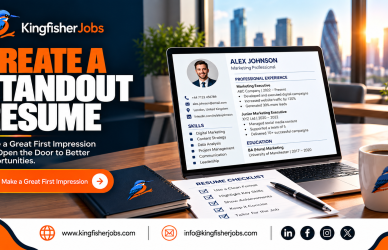
Whenever you complete a major project, achieve an important target or take on new responsibilities, record it. This makes it much easier to prepare a strong application when an interesting opportunity appears.
Keep Track of Career Wins
- Targets achieved or exceeded
- Projects delivered
- New responsibilities gained
- Revenue generated or costs reduced
- Teams supported or managed
- Processes improved
- New skills or qualifications developed
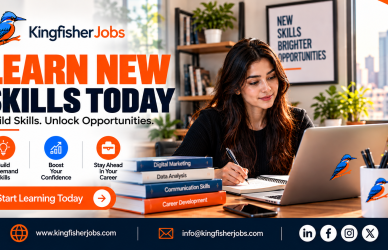
Keep Learning
Career development and learning are closely connected. Employers need people who can adapt as tools, processes and expectations change.
Continuous learning does not necessarily mean returning to university or completing a major qualification. Small improvements can also create meaningful progress.
You might develop software skills, improve communication, gain experience with new systems, study industry trends or strengthen your leadership capability.
The important thing is to avoid reaching a point where your professional development has completely stopped.
Understand Which Skills Employers Want
Vacancy descriptions can be valuable even when you are not planning to apply immediately.
Look at roles one or two levels above your current position and identify which skills and responsibilities appear repeatedly. This gives you a clearer picture of what employers may expect when you are ready to progress.
You can then begin developing those areas while still in your current position.
Build Transferable Skills
Not every skill is tied to one industry or job title. Transferable skills can support career movement between departments, sectors and different types of organisations.
- Communication
- Problem-solving
- Leadership
- Project management
- Customer service
- Organisation and planning
- Data analysis
- Commercial awareness
- Team collaboration
Strengthening these areas can make you more adaptable and increase the number of opportunities you are able to consider.
Stay Connected to Your Professional Network
Career opportunities do not always begin with an application. Sometimes they begin with a conversation.
Former colleagues, recruiters, managers and professional contacts can help you understand market conditions and introduce opportunities you may not otherwise have discovered.
Networking is most effective when it happens naturally over time rather than only when you urgently need help finding a job.
Stay connected. Share useful information. Support other professionals. Maintain relationships even when you are not actively job hunting.
Keep Your Online Profile Current
Employers and recruiters may review your professional profile before making contact. Make sure it accurately represents your current experience, achievements and direction.
Your job title, responsibilities, skills and professional summary should reflect where you are today rather than where you were several years ago.
A clear professional profile can make it easier for relevant opportunities to find you.
Do Not Wait Until You Are Unhappy
Many professionals begin exploring opportunities only after becoming frustrated with their current position.
That can create unnecessary pressure. When you feel that you must leave quickly, it becomes harder to evaluate opportunities objectively.
Staying active while you are comfortable gives you more control. You can explore the market, compare roles and wait for an opportunity that genuinely improves your career rather than accepting the first available option.
Preparation Creates Choice
When your CV is ready, your skills are developing and you understand the market, you can make career decisions from a position of confidence rather than urgency.
Look for Growth, Not Just a Different Job
A new job is not automatically a better career move.
Before applying, consider what the role could add to your long-term development.
Will you learn new skills? Will you gain greater responsibility? Does the organisation offer progression? Will the experience improve your future opportunities?
A strong career move should ideally help you progress, not simply change your employer.
Review Your Career Goals Regularly
Your ambitions can change over time. A career path that looked attractive three years ago may no longer suit your priorities.
Review your goals periodically and ask yourself:
- Am I still learning?
- Am I moving toward the role I want?
- Are my skills becoming more valuable?
- Does my current position support my long-term goals?
- What should my next career step look like?
These questions can help you recognise when it is time to make an adjustment before your career begins to feel stagnant.
Stay Open to Unexpected Opportunities
Your next great opportunity may not look exactly like the career move you originally imagined.
A different industry, organisation or role may offer skills and experience that become highly valuable later. Staying active allows you to evaluate these opportunities with an open mind.
You do not need to pursue every vacancy. You simply need to remain aware enough to recognise the right one.
Your Career Move Starts Before the Application
Career progression is not something that begins when you click “Apply.”
It begins much earlier — when you develop a new skill, update your CV, speak to a recruiter, create a job alert or start thinking seriously about your professional direction.
These small actions keep you connected to opportunity and make the eventual move much easier.
Stay Active. Stay Ahead.
You do not need to constantly search for another job to remain active in your career.
Stay informed about your market. Keep learning. Maintain your professional network. Understand what employers need and make sure your achievements remain visible.
Then, when the right opportunity appears, you will already be prepared to take the next step.
Ready for Your Next Career Opportunity?
Stay connected with KingfisherJobs, explore new opportunities and keep developing the skills and experience that can move your career forward.
Stay Active. Stay Ahead.
www.kingfisherjobs.com
info@kingfisherjobs.com
Frequently Asked Questions
Should I use job alerts even if I am not actively job searching?
Yes. Job alerts can help you stay informed about market opportunities, employer demand and changing skill requirements without requiring you to search manually every day.
How often should I update my CV?
It is useful to update your CV whenever you gain significant responsibilities, complete important projects or achieve measurable results rather than waiting until you urgently need to apply for a role.
What skills should I develop for career growth?
This depends on your industry and goals, but communication, leadership, digital capability, problem-solving, project management and commercial awareness are valuable transferable skills across many roles.
How can I stay visible to recruiters?
Keep your professional profile current, maintain relationships with relevant recruiters and clearly communicate your experience, achievements and future career interests.
Do I need to change jobs to progress my career?
Not always. Career progression can also happen through new responsibilities, training, internal promotion and skill development. The important thing is to continue moving toward your longer-term goals.