

Every successful career is built through a series of decisions. Some steps may feel small, while others can completely change your professional direction. What matters is recognising when you are ready for something new and having the confidence to move forward.
At KingfisherJobs, we believe your career journey should continue to evolve as your skills, experience and ambitions grow. Whether you are searching for greater responsibility, a new environment or better long-term opportunities, your next step could be the beginning of an exciting new chapter.
Your Career Is a Journey, Not a Destination
A career rarely follows one perfectly planned route. People develop new interests, gain different skills and discover opportunities they may never have considered when they first entered the workplace.
The important thing is to keep evaluating where you are and where you want to go next.
A brighter tomorrow starts with your next step today.
Progress does not always require a dramatic career change. Sometimes one carefully chosen opportunity can create the experience, confidence and connections that lead to much bigger possibilities.
Recognise When You Are Ready for the Next Step
It is easy to become comfortable in a familiar role. However, comfort and career satisfaction are not always the same thing.
There may come a point when your current position no longer offers the development, responsibility or opportunities you need.
Signs that you may be ready to move forward can include:
- You have stopped learning new skills.
- Your responsibilities have increased without meaningful progression.
- You want greater career development opportunities.
- Your ambitions have changed.
- You are ready for a new professional challenge.
- You want to explore a different company, role or sector.
Recognising these signals does not mean you need to resign immediately. It means it may be time to start exploring what else is available.
Define What Career Growth Means to You
Career growth means different things to different people. For one person, success might mean earning a promotion. For another, it could mean improving work-life balance, developing specialist expertise or moving into leadership.
Before searching for your next opportunity, take some time to define what you actually want.
Ask Yourself
- What do I want to learn next?
- Which responsibilities do I want to take on?
- What type of organisation suits me?
- Which skills do I want to strengthen?
- Where would I like my career to be in three to five years?
Clear answers make it easier to identify opportunities that genuinely support your long-term direction instead of simply changing jobs for the sake of change.
Build Skills That Create New Opportunities
Skills are one of the most powerful tools for career progression. The more relevant capabilities you develop, the more options you can potentially create for yourself.
Professional development does not always require another formal qualification. It can include learning new software, improving communication, managing projects, developing leadership skills or gaining experience in a different part of the business.
Look at the roles you would like to secure in the future and identify the skills employers consistently request. You can then begin closing any gaps before applying.
Experience Builds Confidence
Every professional experience contributes something to your career story.
Projects that challenge you, responsibilities outside your comfort zone and even difficult periods at work can develop skills that become valuable later.
Rather than thinking only about job titles, consider what each opportunity allows you to learn and demonstrate.
Experience in problem-solving, teamwork, leadership, customer relationships or managing pressure can often transfer between different roles and industries.
Make Your Achievements Visible
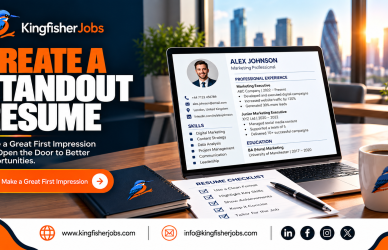
When preparing for your next career move, do not simply list what you were responsible for. Show what you achieved.
Employers want to understand the value you can bring to their organisation.
Where possible, demonstrate outcomes such as:
- Revenue or sales improvements
- Successful projects delivered
- Costs or time saved
- Teams managed or developed
- Processes improved
- Customer satisfaction achievements
- Targets exceeded
Specific achievements can make your CV and interview answers significantly stronger because they provide evidence of your capabilities.
Look for Better Opportunities, Not Just Another Job
When searching for a new position, salary and job title are important considerations, but they should not be the only ones.
A strong opportunity should also contribute to your longer-term career development.
Consider the organisation’s culture, leadership, learning opportunities, responsibilities, future progression and the experience you are likely to gain.
The right move should ideally improve both your immediate position and your future options.
Do Not Wait Until You Feel 100% Ready
Many talented professionals delay career moves because they believe they need to meet every requirement before applying.
Job descriptions often describe an ideal candidate. You may still be a strong applicant even if your experience does not match every single point.
If the role aligns with your capabilities and direction, consider taking the opportunity seriously rather than automatically ruling yourself out.
Opportunity Creates Experience
You do not need to know everything before taking the next step. The right opportunity should give you room to contribute with the skills you already have while developing new ones along the way.
Prepare Before Opportunity Arrives
The best time to prepare for your next career move is before you urgently need one.
Keep your CV updated, maintain your professional network and record important achievements as they happen. This means that when an interesting position becomes available, you can respond quickly and confidently.
Preparation also gives you more freedom to evaluate opportunities carefully rather than feeling pressured to accept the first option available.
Use Your Network
Professional relationships can play an important role in career development. Former colleagues, managers, recruiters and industry contacts can introduce you to opportunities, provide advice and help you understand what employers are currently looking for.
Networking should not begin only when you need a job. Building genuine professional relationships over time creates a network that can support your career throughout different stages.
Work With Recruiters Who Understand Your Goals
A good recruitment relationship should involve more than matching keywords on a CV with a vacancy.
Recruiters who understand your experience, ambitions and preferred direction can help identify roles that make sense for your wider career journey.
They can also provide valuable insight into employers, market expectations and opportunities that may not have been on your radar.
Your Next Step Could Change Your Future
Career progression is built one step at a time. New opportunities create new experiences. Experience develops stronger skills. Stronger skills can open the door to even greater opportunities.
You do not need to have your entire career mapped out today.
You simply need enough clarity to recognise the next useful step and enough confidence to take it.
Your career journey continues. Keep learning, keep exploring and stay open to the opportunities that can move you closer to the future you want.
Ready to Take the Next Step?
Explore new career opportunities with KingfisherJobs and discover roles that can help you build skills, gain experience and move towards a brighter professional future.
Your Next Opportunity Starts Here.
www.kingfisherjobs.com
info@kingfisherjobs.com
Frequently Asked Questions
How do I know when it is time to change jobs?
If you have stopped developing, have limited progression opportunities or feel that your ambitions have moved beyond your current position, it may be worth exploring new opportunities.
Should I apply if I do not meet every requirement?
Potentially, yes. If you meet the core requirements and have relevant transferable skills, you may still be a strong candidate even if you do not match every point in the job description.
How can I prepare for my next career move?
Keep your CV current, document measurable achievements, develop relevant skills, maintain professional relationships and think clearly about what you want from your next position.
What should I consider besides salary?
Consider career progression, responsibilities, company culture, learning opportunities, leadership, flexibility and the experience the role could add to your long-term career.
How can a recruiter help my career?
A recruiter can help identify suitable opportunities, provide market insight and connect your experience and career goals with employers searching for relevant talent.