
The Skill‑First Era of Work
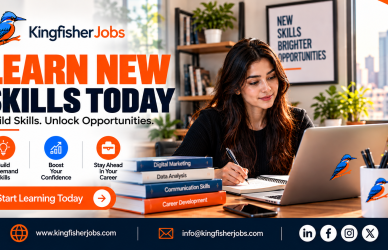
The nature of work in 2026 has shifted dramatically from degree‑centric hiring to skill‑centric hiring. Digital transformation, hybrid work models, AI automation, and global competition are reshaping how employers evaluate talent — and how job seekers build careers. Traditional paradigms that once prioritized credentials or years of experience are becoming less relevant. In their place, demonstrated skills, adaptability, and evidence of performance are emerging as the dominant markers of professional success.
This article explores:
- Why skill‑first hiring is becoming the new standard
- How employers can implement skill‑based talent systems
- How job seekers can accelerate their careers by building future‑ready skills
- Tools, frameworks, and measurable outcomes for organizations and individuals
- Actionable strategies for 2026 talent ecosystems
1. What Is Skill‑First Hiring?
Skill‑first hiring is a talent strategy where abilities, competencies, and demonstrable outcomes take priority over traditional proxies such as degrees or tenure. Instead of asking “Where did you study?” or “How many years have you worked?”, hiring teams ask:
- What can this person actually do?
- What specific capabilities will they bring?
- How quickly can they contribute value?
1.1 Why Skill‑First Hiring Matters Now
Skill‑first approaches are driven by several forces:
- Rapid technological shifts changing job requirements
- Proliferation of online learning and micro‑credentials
- Need for adaptable talent pipelines
- Job seekers valuing practical experience over formal credentials
This evolution empowers both employers and professionals to focus on real performance drivers.
2. The Case for Skills Over Degrees
2.1 Credibility Without a Traditional Background
Many high‑growth fields, such as digital marketing, cloud computing, data analytics, and UX design, have emerged without standardized academic pathways. As a result:
- Candidates can build portfolios, certifications, and project work that showcase ability
- Companies can widen their talent pool beyond narrow degree filters
- Diversity of thought and experience increases
2.2 Real‑World Performance Trumps Paper Credentials
A degree may signal foundational knowledge, but it doesn’t prove job‑readiness. Skill‑first hiring:
- Reduces bias against non‑traditional candidates
- Shows performance results directly through assessments
- Enables faster onboarding and higher retention
3. How Organizations Build Skill‑First Hiring Systems
Transitioning to skill‑first talent systems requires intentional structure. Below are key components:
3.1 Job Profiles Based on Skill Clusters
Instead of vague job titles, modern hiring defines skill clusters:
- Technical skills (e.g., SQL, Python, SEO optimization)
- Cognitive skills (e.g., analysis, problem‑solving)
- Interpersonal skills (e.g., collaboration, communication)
- Adaptive skills (e.g., resilience, curiosity)
These clusters describe capabilities, not checklists of years and degrees.
3.2 Skills Mapping and Taxonomy
A skills taxonomy is a standardized catalog that:
- Defines each skill precisely
- Describes mastery levels (beginner, intermediate, advanced)
- Associates competencies with roles and outcomes
This taxonomy becomes the backbone for evaluation, training, and talent mobility.
3.3 Skills Assessments and Performance Evidence
Rather than relying on resumes alone, employers use:
- Work sample tests
- Simulation assessments
- Project portfolios
- Skills scoring systems
These mechanisms show real evidence of competency, leading to better hiring decisions.
3.4 Internal Mobility and Skills Pathways
Skill‑first systems support internal talent movement:
- Employees gain badges for completed skill milestones
- Career pathways become transparent
- Organizations reduce turnover and improve retention
A company can quickly redeploy talent where needs are highest, increasing agility.
4. Skills Frameworks That Power Growth in 2026
Several frameworks are now central to digital, hybrid, and cross‑functional work:
4.1 Digital Literacy & Data Fluency
Every professional benefits from understanding:
- Data interpretation
- Analytics fundamentals
- Cloud and digital tools usage
These fundamentals are essential across functions, from marketing to HR to logistics.
4.2 Artificial Intelligence & Automation Fluency
As AI becomes ubiquitous, workers need to:
- Leverage automation responsibly
- Understand AI limitations and ethics
- Apply AI for decision support and creative problem solving
AI fluency is no longer niche — it’s foundational.
4.3 Adaptive and Integrated Problem Solving
Human cognitive skills like:
- Complex problem solving
- Systems thinking
- Creativity under constraint
are essential because machines complement, not replace, human judgment.
5. Implementing Skill‑First Hiring in Practice
5.1 Structuring Skill‑Based Job Descriptions
Skills‑based descriptions should:
- Use clear competency language
- Avoid rigid degree requirements
- Align with business outcomes
- Include measurable performance expectations
This improves candidate fit and reduces hiring bias.
5.2 Redesigning Recruitment Workflows
Recruiters shift from screening credentials to screening capabilities:
- Pre‑hire assessments
- Live exercises or work samples
- Behavioral problem solving scenarios
These techniques reveal ability far better than traditional interviews.
5.3 Feedback‑Driven Selection Pipelines
Adaptive recruiting means:
- Immediate candidate feedback
- Transparent criteria
- Agile decision cycles
This improves candidate experience and employer brand.
6. For Job Seekers: A Skills‑First Career Playbook
If the workplace rewards skill over credentials, job seekers must approach growth differently.
6.1 Self‑Assessment and Skills Gaps
Start with honest evaluation:
- What skills do you currently have?
- What skills are missing for your next step?
- Which skills can you acquire cost‑effectively?
Self‑awareness guides strategic learning investments.
6.2 Portfolios, Projects, and Proof of Work
Employers want evidence. Build:
- Portfolios of real projects
- GitHub repositories for tech roles
- Case studies and documented solutions
- Testimonials and endorsements
Tangible work trumps generic resumes.
6.3 Continuous Skill Validation
Micro‑credentials, badges, short courses, and assessments help validate knowledge:
- Data analytics certifications
- UX or project management badges
- Digital marketing credentials
- AI & automation short certificates
These credentials differentiate candidates.
7. Building a Future‑Ready Career Path
7.1 Multi‑Disciplinary Skill Sets
In 2026, hybrid roles are common, such as:
- Technical marketers
- Data‑informed product managers
- AI‑enabled customer experience designers
Workers who blend skills across streams gain advantage.
7.2 Resilience and Lifelong Learning
Career acceleration depends on:
- Learning agility
- Adaptability
- Resilience to change
- Curiosity
Professionals who iterate and learn continuously remain relevant.
8. Measuring Skill Success
For both employers and employees, measuring skill impact is essential.
8.1 Performance Outcomes Over Inputs
Key measures include:
- Project success rates
- Time to proficiency in role
- Internal promotion velocity
- Team performance improvements
These show how skill application creates business value.
8.2 Skills Adoption and Growth Metrics
Successful skills strategies track:
- Skill acquisition time
- Skill utilization frequency
- Skill gaps filled
- Contribution growth over time
Such data powers continuous learning investment.
9. Case Examples of Skill‑First Success
9.1 Tech Recruiting Revolution
A company shifted from educational requirements to project portfolios:
- Reduced hiring time by 30%
- Increased diversity of hires
- Improved performance evaluations
9.2 Career Transition Examples
Professionals moving from unrelated fields (e.g., hospitality to data analytics) show that skill demonstration matters more than background.
Conclusion: The Future of Talent Is Skill‑Driven
As work evolves in 2026, both employers and employees benefit from moving beyond degrees and embracing capability evidence. Skill‑first hiring unlocks broader talent pools, improves performance, and accelerates career growth.
This approach empowers talent ecosystems to adapt, innovate, and succeed in a rapidly changing world.