

Introduction
In 2026, the job market has never been more dynamic, more competitive, or more opportunity‑rich. Whether you’re a fresh graduate, a mid‑career professional pivoting industries, or an experienced leader seeking growth, success in today’s hiring landscape demands more than just uploading a resume.
Job seekers must understand evolving recruiter expectations, embrace digital tools, and strategically manage their career narrative from search to offer — all while navigating skills‑driven hiring and automation trends shaping the future of work.
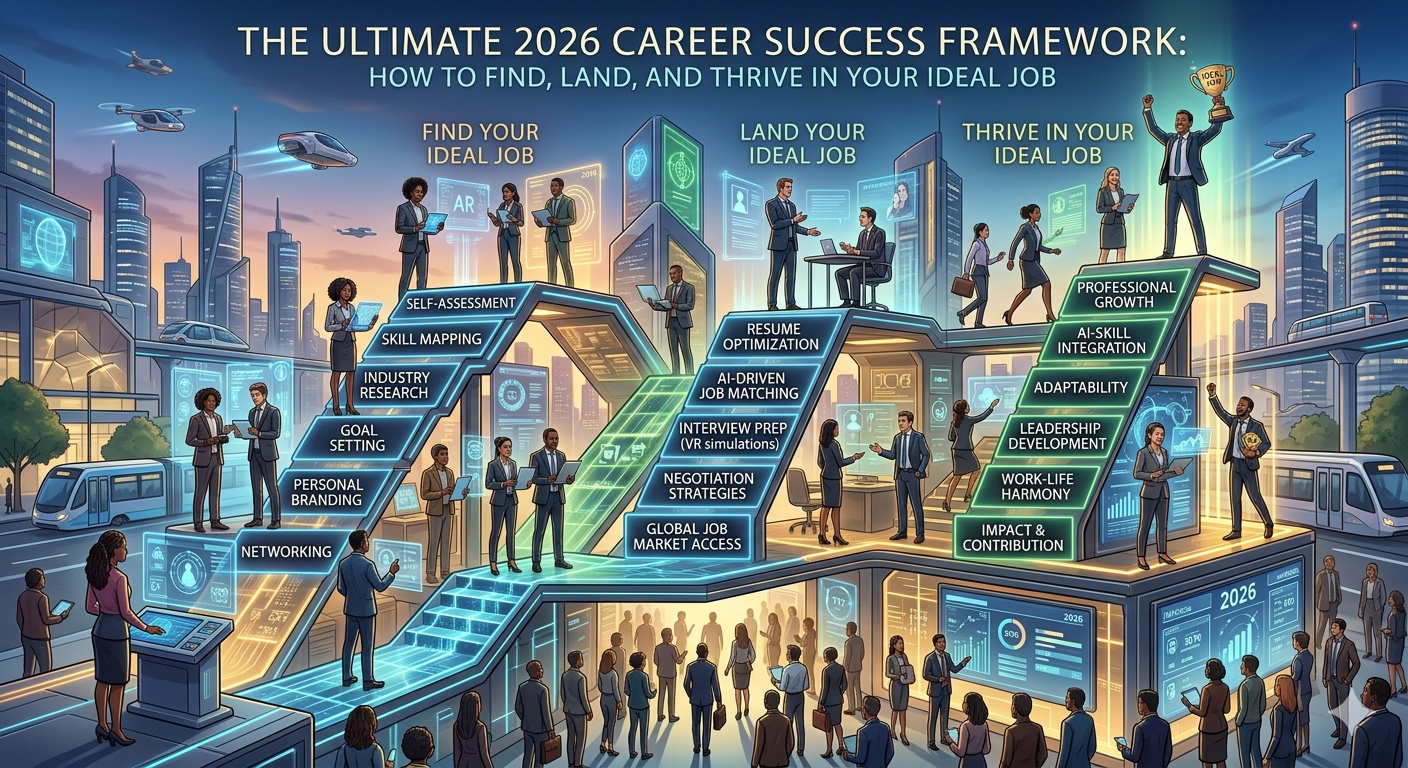
This comprehensive article will walk you through a complete, step‑by‑step framework for career success: from defining your goals to securing the job you want and thriving long after you’ve accepted the offer.
By the end of this guide you will know:
- How to position yourself as a top candidate in 2026
- What skills and strategies hiring managers are prioritizing
- How to improve your job search systems and application results
- How to navigate interviews with confidence
- How to build a long‑term career, not just land a job
Let’s begin.
1. Understand the New Job Market in 2026
The job market of 2026 differs substantially from even five years ago. Rapid digitization, the rise of remote and hybrid work, AI‑aided recruiting, and the continuing shift toward skills‑based hiring have reshaped employer expectations.
1.1 Global Workforce Trends
- Hybrid & Remote Work: Nearly all industries now offer some form of hybrid or fully remote work. Skills managing virtual collaboration tools and distributed teamwork are indispensable.
- Skills‑First Hiring: Employers are leaning away from traditional degree filters and toward demonstrable skills and accomplishments. Certifications and portfolio work increasingly validate capability.
- AI in Recruitment: From applicant tracking systems (ATS) to AI résumé screenings, technology filters candidates before human review, making keyword‑optimized profiles essential.
The modern job market rewards those who can articulate measurable impact, show adaptability, and align their skills with real business problems.
2. Define Your Career Identity
Before you apply to any job, define your career identity — a clear understanding of who you are professionally.
2.1 What Is Career Identity?
Your career identity answers:
- What problem do I solve?
- For whom do I solve it?
- How do I deliver results?
This is not just a job title — it’s your value proposition.
Example:
“I help mid‑sized tech firms improve user engagement through data‑driven UI/UX design that boosts retention and reduces churn.”
2.2 How to Create Your Value Proposition
Write a short statement that includes:
- Your primary skill or expertise
- The audience or industry you serve
- The impact or result you deliver
This becomes the core message in your résumé, LinkedIn headline, cover letters, and elevator pitch.
3. Build a Job Search System
A job search is not a one‑off activity — it’s a process. Build systems that scale your search and minimize wasted effort.
3.1 Track Every Application
Use a spreadsheet or job search tracker to record:
- Job title
- Company
- Date applied
- Link to job posting
- Contact (if any)
- Follow‑up dates
- Interview status
This helps you avoid sending duplicate applications and lets you identify patterns in responses.
3.2 Optimize Search Criteria
Rather than searching by generic titles, filter jobs using:
- Skills required
- Salary range
- Location preferences
- Remote or hybrid options
- Company size & culture
Use multiple job boards, including niche ones in your field.
3.3 Set Routine Cadence
Structure your job search like a work week:
- Monday: Research & identify new roles
- Tuesday: Optimize résumé & cover letters
- Wednesday: Apply & customize applications
- Thursday: Follow‑up with recruiters
- Friday: Network and build skills
Treating the search as a process rather than a task increases consistency and results.
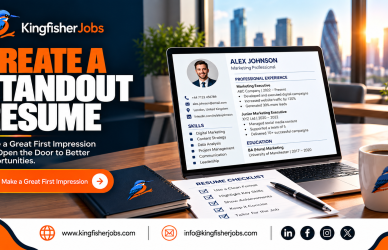
4. Craft a Résumé That Wins Interviews
Your résumé is your most important job search asset — but many applicants get it wrong.
4.1 Focus on Impact, Not Tasks
Avoid generic bullet points such as “Responsible for team management.” Instead highlight measurable results:
- “Led a team of 10 to deliver projects 20% under budget and improved delivery time by 15%.”
Use numbers, percentages, and outcomes wherever possible.
4.2 Tailor to Each Job
Many résumés fail because they are not customized. Align keywords and responsibilities from the job description with your experience.
Important sections to tailor:
- Professional summary
- Skills section
- Work experience bullet points
- Achievements
4.3 Use ATS‑Friendly Formatting
Modern résumé filters scan for keywords and structure. Use:
- Standard fonts
- Clear section headings
- Bullet lists
- No graphics or tables
This ensures your résumé makes it through automated sorts before a human sees it.
5. Build a Powerful Personal Brand
Today, your online presence is part of your résumé.
5.1 Optimize Your LinkedIn Profile
LinkedIn is the professional hub recruiters search first.
Key elements to optimize:
- Professional photo
- Headline that reflects your career identity
- Summary with impact statements
- Experience with measurable achievements
- Skills aligned with target jobs
- Recommendations from colleagues
LinkedIn is not just a job board — it’s a narrative platform that communicates who you are and what you bring.
5.2 Share Thoughtful Content
Publishing relevant articles, insights, and accomplishments boosts visibility and positions you as a knowledgeable professional in your field.
Content ideas:
- Solutions to common industry problems
- Lessons from projects you’ve completed
- Commentary on emerging trends in your field
LinkedIn posts are search engines for recruiters — make yours count.
6. Master the Interview Process
Getting an interview is a milestone — performing well earns the offer.
6.1 Pre‑Interview Preparation
Research the company:
- Mission & vision
- Products/services
- Recent news or announcements
- Competitors
- Company culture
Know the role’s responsibilities and prepare examples of how your experience aligns.
6.2 Prepare STAR Stories
Use the STAR method (Situation, Task, Action, Result) to structure responses:
- Situation: Background context
- Task: Your responsibility
- Action: What you did
- Result: What changed because of your action
Example:
“I designed a new onboarding workflow (S/T), implemented user feedback loops (A), reducing churn by 18% in the first quarter (R).”
6.3 Ask Smart Questions
When asked “Do you have questions for us?”, ask about:
- The team’s long‑term goals
- Performance expectations in the first 3–6 months
- Company growth strategy
- Professional development paths
This shows engagement and strategic thinking.
7. Negotiate Offers With Confidence
Once you receive an offer, negotiation — professionally handled — can improve your compensation and growth trajectory.
7.1 Know Your Market Value
Research using salary data platforms and industry benchmarks. Know:
- Base salary range for your role
- Benefits & perks
- Growth opportunities
Use these figures to justify your negotiation.
7.2 Negotiation Best Practices
- Express genuine enthusiasm for the role
- Position requests as value‑aligned (“Based on market standards…”)
- Be specific (e.g., “Can we adjust the base salary to $X?”)
- Ask about flexible work arrangements and professional development support
Negotiation should be collaborative, not confrontational.
8. Develop Skills Continuously
A successful career is not static — it evolves.
8.1 Identify Skills in Demand
Look at job postings in your field and note frequently listed skills. Prioritize those that appear most often.
Examples that matter in 2026:
- Data analytics
- AI literacy in workflows
- Project management
- Digital communication tools
- Cross‑functional collaboration
8.2 Use Online Learning Platforms
Platforms like Coursera, Udemy, and edX offer certifications that demonstrate competence and commitment to growth.
Certifications help:
- Validate advanced skills
- Boost credibility in automated scans
- Provide talking points in interviews
9. Build a Supportive Network
Who you know still matters.
9.1 Leverage LinkedIn Connections
Connect with:
- Alumni from your school
- Professionals working at companies you like
- People in your target functions
Engage with their content and follow up with personalised messages.
9.2 Attend Events & Webinars
Career fairs and industry events are not obsolete — they’re essential for building relationships. Participate actively and follow up with contacts.
Effective networking turns opportunities into offers.
10. Long‑Term Career Growth Tips
Landing a job is a milestone — long‑term success is a journey.
10.1 Set Career Milestones
Define:
- 1‑year goals (skills, role changes)
- 3‑year goals (leadership, specialization)
- 5‑year goals (senior roles, new industries)
Measure progress quarterly.
10.2 Seek Regular Feedback
Constructive performance feedback accelerates growth. Request 360° feedback from peers, managers, and mentors.
Conclusion
A successful job search in 2026 requires intention, strategy, skills, and persistence. It’s not enough to simply apply — you must differentiate yourself through optimized résumés, compelling personal brands, thoughtful networking, and strong interview performance.
By applying the framework outlined above, you’ll not only increase your chances of landing a role — you’ll build a sustainable career trajectory that grows with you.
Your dream job is waiting — prepare, apply, and achieve.