

Introduction
The job market in 2026 is both dynamic and demanding. With rapidly evolving technologies, hybrid work models, and skills‑first hiring becoming standard practice, the way candidates find and secure meaningful roles has changed dramatically. Today’s job seekers need strategies that are intentional, data‑informed, and scalable — not reactive or ad‑hoc.
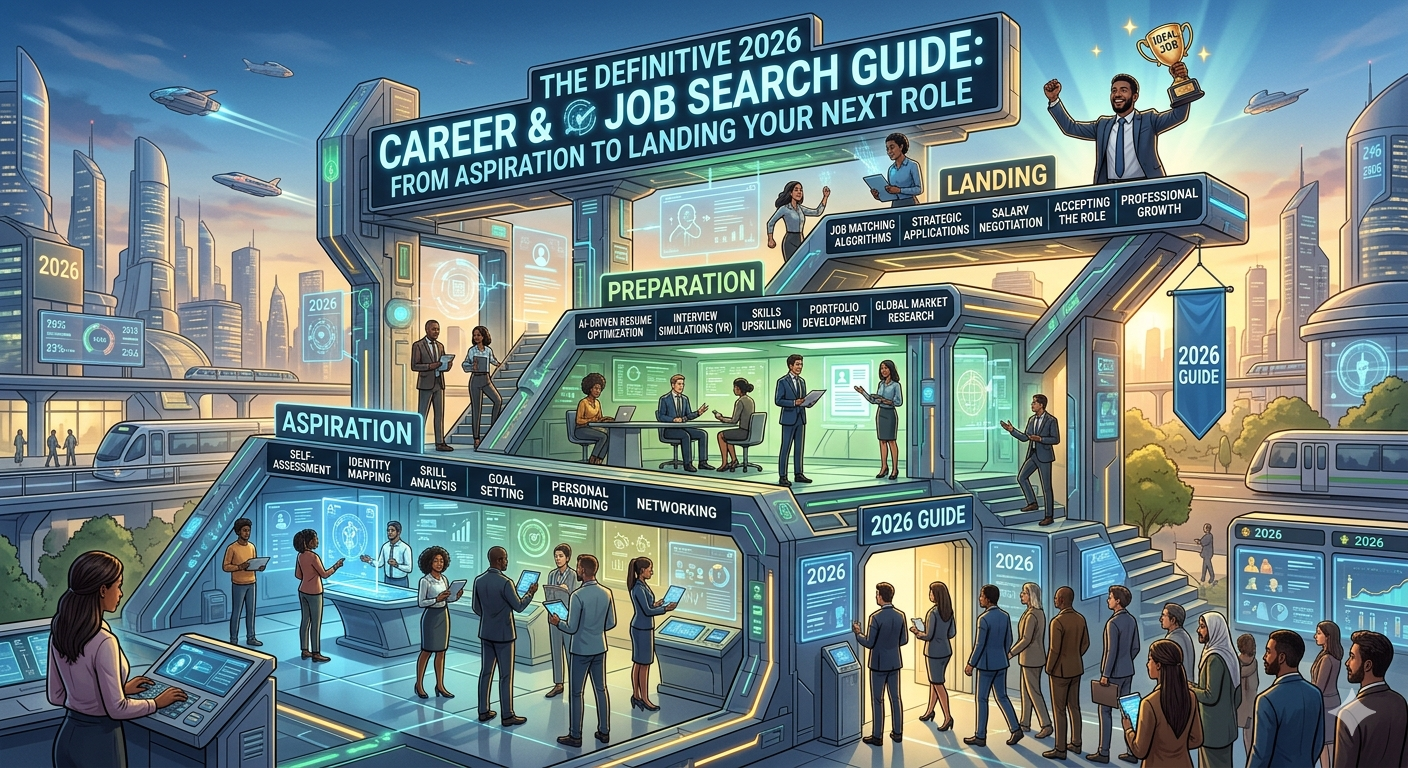
This comprehensive guide walks you through every step of the modern job search journey, using insights and trends from leading platforms like KingfisherJobs – Helping Talent Connect With Opportunity Worldwide. Whether you’re entering the workforce for the first time, seeking a mid‑career transition, or preparing for senior roles, this guide will equip you with a practical roadmap to success.
By the end of this article, you will understand:
- How to optimize your job search process in 2026
- How to align skills with market demand
- How to craft a compelling personal brand and application package
- How to navigate interviews and negotiate offers
- How to build a career that is resilient, future‑proof, and fulfilling
Let’s break this down step by step.
1. Job Market Trends to Know in 2026
Before diving into tactics, it’s crucial to understand where the job market stands today:
1.1 Skills‑First Hiring is Now Mainstream
Many employers now prioritize demonstrable skills and results over university degrees or traditional credentials. This means showing what you can do — not just what you studied. Skills can be validated through portfolio work, project samples, certificates, internships, and contributions to real‑world outcomes.
1.2 Remote and Hybrid Roles Dominate
Remote and hybrid work arrangements have become standard across many industries. Employers seek candidates who can:
- Collaborate asynchronously
- Communicate clearly online
- Manage time and productivity independently
These competencies are as important as technical skills in 2026.
1.3 Technology is Embedded in Recruitment
From AI résumé screening to automated interview scheduling, technology now shapes every stage of hiring. Keywords, quantified accomplishments, and digital portfolios enable candidates to get past automated filters and land in front of hiring managers.
Understanding the technology behind recruitment systems gives you an edge when crafting your applications.
2. Starting with the Right Foundation: Your Job Search Mindset
Most job seekers treat applications like one‑off efforts: find a job, apply, repeat. But in 2026, the job search must be treated as a systemic process. This mindset shift is foundational to success.
2.1 Treat Your Search as a Project
Instead of random application submissions, set defined weekly goals:
- Target 5–10 roles per week
- Customize application materials for each
- Track results and refine your approach
Consistent effort backed by tracking yields compounding results.
2.2 Define Your Career Goals with Precision
Ask yourself:
- What roles align with my skills?
- Which industries excite me?
- What type of work culture fits my personality?
- Where do I see myself in 1, 3, and 5 years?
Documenting answers to these questions provides clarity so your search isn’t aimless.
3. Building the Ultimate Job Search System
A job search system combines tools, routines, and workflows that help you apply strategically and track outcomes.
3.1 Job Search Tracker
Create a spreadsheet or use a dedicated app to track:
- Job title and company
- Date applied
- Application status
- Response and follow‑ups
- Notes from interviews
This makes it easy to analyze patterns, avoid re‑applications, and prioritize the highest‑impact roles.
3.2 Search on Multiple Platforms
While KingfisherJobs – Trusted Job Portal for Opportunities Worldwide is a primary destination, also use niche job boards, LinkedIn, company career pages, and professional communities relevant to your industry.
Different platforms often list opportunities that aren’t available elsewhere.
3.3 Routine and Cadence
Structure your search week:
| Day | Activity |
|---|---|
| Monday | Research latest job openings |
| Tuesday | Tailor resumés and cover letters |
| Wednesday | Submit applications |
| Thursday | Network and send follow‑ups |
| Friday | Skill building and review outcomes |
A weekly structure ensures momentum and balance.
4. Crafting an Application That Gets Noticed
Applying for roles is more than uploading a résumé. Stand out with smart positioning.
4.1 Résumé That Reflects Impact
Top tips:
- Use strong action verbs
- Quantify achievements (e.g., “Improved application performance by 26%”)
- Lead with results rather than duties
Recruiters spend seconds scanning resumés. Clarity + impact = visibility.
4.2 Cover Letters That Tell a Story
Your cover letter should answer:
- Why this role is right for you
- What value you bring
- How your past outcomes connect with the company’s goals
A narrative that ties your experience to business results is far more compelling than a generic letter.
4.3 Digital Portfolios and Personal Branding
If relevant (especially in tech, design, analytics, and writing roles), a personal website or portfolio adds major credibility. Link it to your résumé and LinkedIn profile.
5. Optimize Your LinkedIn Presence
LinkedIn is a primary channel where recruiters find talent today.
5.1 Profile Should Reflect Your Career Identity
Important elements:
- Professional headline with role + key skill
- Summary that tells why you do what you do
- Featured section with work samples, articles, or projects
- Recommendations that reinforce your brand
Recruiters gauge “fit” on LinkedIn — not just from skills but from engagement and professional posture.
5.2 Build Thought Leadership
Posting insights, sharing articles, and engaging in relevant discussions signals authority and connects you with recruiters and influencers in your field.
6. Interview Strategies That Convert Offers
Landing an interview is a milestone; closing it requires preparation.
6.1 Research the Company Deeply
Know:
- Their mission and values
- Recent achievements or initiatives
- Competitors and market position
Tailor your answers so they reference specific company context.
6.2 Prepare STAR Responses
Use Situation, Task, Action, Result to answer behavioral questions. This method ensures responses are structured and impactful.
Example:
“S: Customer churn was rising. T: Reduce churn by improving onboarding. A: Implemented personalized walkthrough. R: Churn decreased by 18% in 6 weeks.”
6.3 Ask Insightful Questions
End interviews with questions that demonstrate strategic thinking and genuine interest:
- What key result would success look like in six months?
- How does this role contribute to the company’s goals?
- What strengths do your top performers share?
7. Negotiation: Securing Better Offers
Offers aren’t final — they’re starting points for negotiation.
7.1 Know Your Worth
Before negotiating, research compensation benchmarks for your location and role level.
Websites like salary aggregators and industry reports help establish realistic expectations.
7.2 Negotiate Holistically
Discuss:
- Base pay
- Performance bonuses
- Learning and development support
- Flexible work options
Negotiation is a collaborative process — and when done respectfully, it increases long‑term satisfaction.
8. Skill Building and Future‑Proofing Your Career
The job search doesn’t stop at landing an offer.
8.1 Identify In‑Demand Skills
Emerging priorities include:
- Data literacy
- Communications tools fluency
- Automation and AI‑augmented workflows
- Problem solving
Job postings highlight frequently repeated skills. Track these and invest time in acquiring them.
8.2 Use Online Learning Platforms
Certifications from platforms like Coursera, edX, or specialized industry courses show commitment and boost credibility.
9. Networking: The Unseen Multiplier
Networking isn’t optional — it’s strategic.
9.1 Quality Over Quantity
Reach out to:
- Alumni in your industry
- Industry event attendees
- Past collaborators
Personalized outreach yields better engagement than mass messaging.
9.2 Events and Communities
Attend meetups, webinars, and professional groups. Conversations at these venues often lead to referrals — a top source of job opportunities.
10. Mindset, Resilience, and Career Growth
The right mindset is a differentiator.
10.1 Accept Job Search as Learning
Each rejection is data — not defeat. Analyze feedback and refine your materials and approach.
10.2 Stay Updated With Market Trends
Use job portals, industry news, and company career pages to monitor changes in hiring demand and expectations.
Conclusion: Build a Career That Lasts
The environment for careers in 2026 is fast‑paced and complex — but structured strategies help you navigate it confidently. From smart search systems to personal brand development, intentional networking, and skill growth, job seekers who approach their search systematically win not just roles — but career momentum.
The principles in this guide are timeless: clarity, strategy, execution, and continuous learning. Apply them consistently, and you will not just find a job — you will set the foundation for a flourishing career.
Call to Action
Ready to put this guide into action? Visit KingfisherJobs – Search Jobs & Connect With Employers Worldwide, update your profile, and begin your next career step today.